


Buying your first car is exciting and your another important responsibility. That “new-to-you” feeling comes with the need for regular care to keep your vehicle reliable, safe, and affordable.
Performing simple monthly maintenance checks is the smartest habit you can build. It saves you the headache of sudden breakdowns and protects your budget from expensive repair bills. By knowing these seven basic areas, you become a more confident driver and a savvy car owner.
1. Check Your Car’s Fluids (The Lifeblood of Your Vehicle)
Your car relies on several fluids to run smoothly. Check these monthly:
- Engine Oil: Check the dipstick with the engine cool and on level ground. Is it at the correct level? Is it dark black or still amber? Your owner’s manual specifies the correct type; always keep an extra quart on hand.
- Coolant: Never check the radiator cap when the engine is hot! Check the translucent coolant reservoir instead. The fluid should be between the “min” and “max” lines.
- Brake Fluid & Windshield Washer Fluid: Peek under the hood at their respective reservoirs. Low brake fluid can indicate worn brake pads.
Pro Tip: Oil viscosity breaks down over time. Fresh oil is amber; dark, gritty oil means it’s time for a change.
2. Braking System
Your brakes are non-negotiable for safety. Beyond fluid levels, be alert to sensations:
Feeling: If the pedal feels spongy, vibrates, or the car pulls to one side, a professional inspection is urgent.
A quick visual check of the brake fluid master cylinder (location is in your manual) can warn you of issues before you hear that costly metal-on-metal grind.
Sound: A high-pitched screech often means brake pads are worn down.
3. Inspect Hoses & Belts
Under the hood, rubber hoses and belts are critical but often forgotten.
- Hoses: Look for coolant hoses from the radiator. Feel for soft spots, bulges, or cracks. A leaking hose can lead to rapid overheating and engine damage.
- Belts: The serpentine belt powers your alternator, power steering, and AC. Look for cracks, fraying, or glazing. A loud shrieking on startup or acceleration is a classic sign of a loose or failing belt.
4. Give Your Tires the 60-Second Treatment
Several factors pressure dealers to sell cars at auction for less:
Your only contact with the road deserves a monthly once-over:
- Pressure: Use a gauge to check pressure when tires are cold. Don’t rely on dash lights or visual checks. Incorrect pressure hurts fuel economy and safety.
- Tread: Use the “coin test.” Insert a quarter into the tread grooves with Washington’s head pointing down. If you can see the top of his head, your tread is too low.
- Condition: Look for cracks, bulges, or embedded objects.
5. Don’t Overlook Windshield Wipers
Visibility is key to safe driving, especially in poor weather.
- Replace Worn Rubber: Wiper blades are made of hard rubber that can crack or dry out due to weather changes.
- Maintenance: Replace your wipers as soon as they show signs of cracking or fail to clear the glass perfectl
6. Professional Tune-ups and Inspections
Think of tune-ups as preventative healthcare for your car. Following the service schedule in your manual for oil changes, filter replacements, and spark plugs maximizes fuel efficiency, performance, and your car’s lifespan. This regular care is far cheaper than the major repairs neglect can cause.
Stay Informed: Knowing your car “inside and out” helps you identify exactly when it is time to visit a workshop.
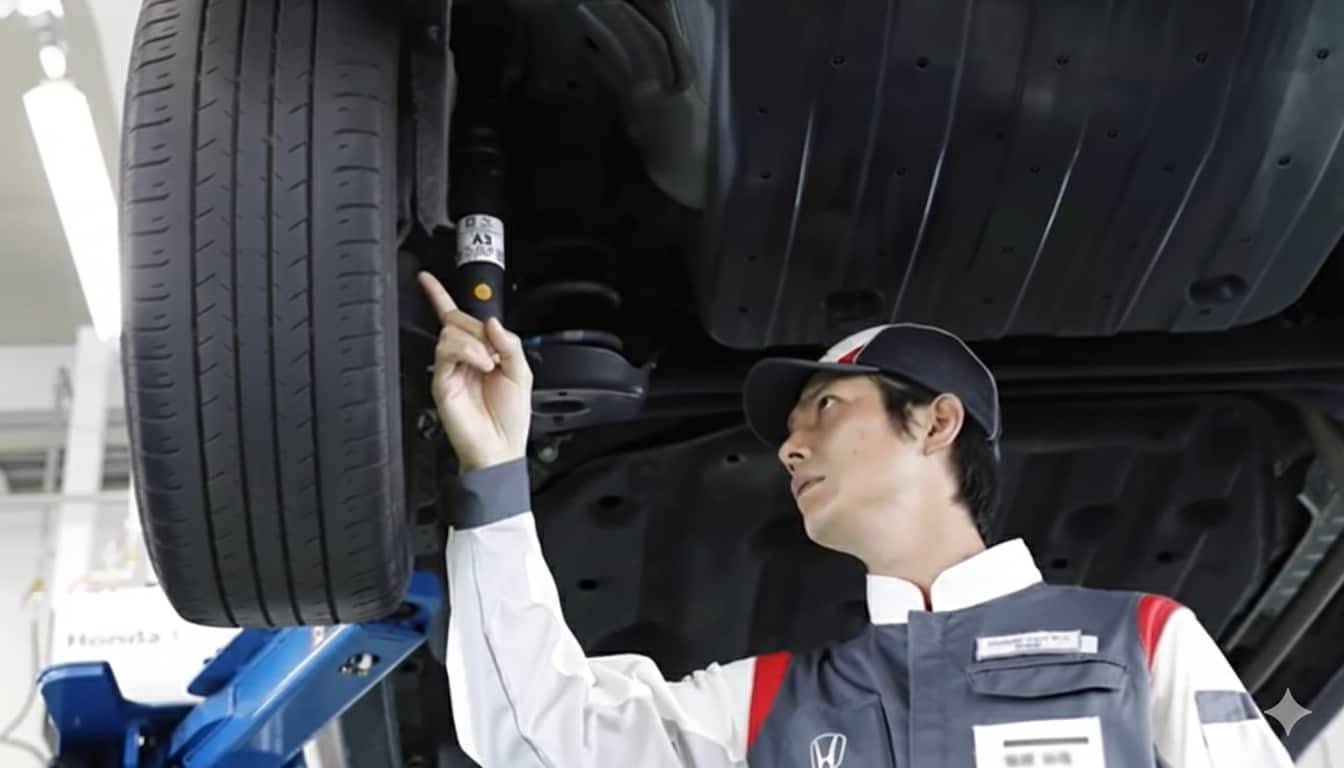
7. Perform a “Walk-Around” Visual Inspection
- Make it a habit. Once a month, walk around your car with a critical eye:
- Lights: Do all headlights, brake lights, turn signals, and hazard lights work?
- Body & Undercarriage: Look for new leaks (different fluids have different colors) or unexpected damage.
- Listen: Note any new sounds—rattles, hums, or knocks—when starting, idling, or driving.
- Check spare key/smart key/card key for weak button cells energy – otherwise many cars will sound alarms and won’t start. This indication will be on display, never miss it if it says time to change car-key-battery.
The Bottom Line: Knowing your car inside and out builds confidence. A careful driver is a safe driver, and a proactive owner is a thrifty one. These seven checks take less than 30 minutes a month but can save you thousands in repairs and keep your journeys safe.
8. Your Car Key Battery: The Tiny Thing That Can Leave You Stranded
Don’t let a dead key battery lock you out—or worse, leave your car unable to start. Most modern cars with smart keys, key fobs, or card-style keys rely on a small internal battery. When it gets weak, strange things happen: alarms may trigger unexpectedly, doors won’t lock/unlock reliably, and pressing the start button may do… nothing.
How to Stay Ahead:
- Watch Your Dashboard. Many cars will show a clear warning message like “Key Battery Low” or “Replace Key Battery” on the instrument cluster. Never ignore it—treat it as urgent.
- Check Responsiveness. If buttons feel sluggish, the range weakens, or you need to hold the fob right against the start button, the battery is fading.
- Keep a Spare & Know How to Change It. Always have a spare key accessible, and learn how to replace the button cell (usually a CR2032) yourself—it takes 30 seconds and costs a few dollars, versus a costly service call.
Why This Matters:
A failed key battery can immobilize your vehicle. Replacing it before it dies is one of the simplest, cheapest forms of preventative maintenance—and it ensures you’re never left guessing at the worst possible moment.
Replacement parts for peace of mind
- Engine oil
- Transmission oil
- Oil element
- Air Element
- Wiper blades
- Battery
- ACG Belt
- Power steering belt
- Air conditioner compressor belt
Ready for your first car? Start your journey with confidence. As a trusted Japanese Car Exporter, Nexuss Cars provides Auction-Verified vehicles with transparent histories, giving you a reliable foundation for years of safe driving.
Visit Nexuss Cars Today to browse our selection of quality auction-imported Japanese vehicles.