
Import a Car to Zambia — Japan-Side Inspection Included
Get any car from Japan to Zambia Via Durban.
Reliable 4x4s, SUVs & Daily Runners
Inspected & appraised by certified experts in Japan.
Browse by Maker — Zambia Favourites
Toyota · Nissan · Mitsubishi · Subaru · Honda · Suzuki · Mazda · Isuzu · Daihatsu
Transit via Dar es Salaam & Walvis Bay · ZRA & RTSA Import Support
What “Worry-Free” Actually Means
- Direct Main Dealer Stock: Sourced directly from official Japanese dealer network trade-ins.
- Cosmetic Reconditioning: Exterior scratches, minor body blemishes, and paint detailed prior to export.
- Mechanical Road-Readiness: 4WD systems, suspension, brakes, and cooling fully inspected for African roads.
🌐 Maker pages open in Japanese. Right-click → Translate, or send us the link to handle it.
Choose Your Import Route
Select guaranteed main-dealer quality or bid live across Japanese auctions for direct transit to Lusaka or the Copperbelt.
Certified Japanese Dealer Stock
Direct trade-ins from official Japanese franchise dealers. Ideal for Zambian buyers seeking verified low mileage, pristine condition, and full service records.
- Verified original mileage & official Japanese service history
- Full cosmetic detailing & bodywork reconditioning completed prior to shipment
- Export documentation prepared for smooth ZRA customs valuation & RTSA registration
Verified Auction Sourcing
Looking for specific Land Cruiser Prados, Hilux pickups, or budget-friendly sedans? Bid live across all major Japanese auction houses with expert guidance.
- Access to USS, TAA, JU, and CAA auction networks nationwide. ▶ Watch explainer video
- Physical on-site pre-bid checks & full auction sheet translations. ▶ Auction Grading Insight
- Complete CIF shipping logistics, JEVIC/EAA pre-shipment inspection, and BL dispatch




Plan your import from Japan
Estimate your costs and prepare before committing to a purchase.
The Heart of Southern Africa: Why Zambia Chooses Japan
Reliability Without Borders: The Zambian Advantage.
In Zambia, Japanese imports are the backbone of both personal and commercial transport. Because there is no age restriction, Zambian buyers can access a vast inventory of vehicles—from the latest luxury SUVs to affordable, older-model hatchbacks like the Toyota Vitz or Tiida. The durability of Japanese engineering is particularly valued for Zambia’s mixed terrain, with 4WD Hiluxes and Land Cruisers being the gold standard for travel outside Lusaka and the Copperbelt.
Total Estimated Transit Time (Yokohama → Lusaka via Nakonde)
| Segment | Estimated Time |
|---|---|
| Yokohama → Dar es Salaam (sea) | 24–32 days |
| Dar es Salaam → Nakonde (truck) | 2–4 days |
| Nakonde → Lusaka (truck) | 1–2 days |
| Total | ≈ 27–38 days |
Real‑world practical range:
32–45 days
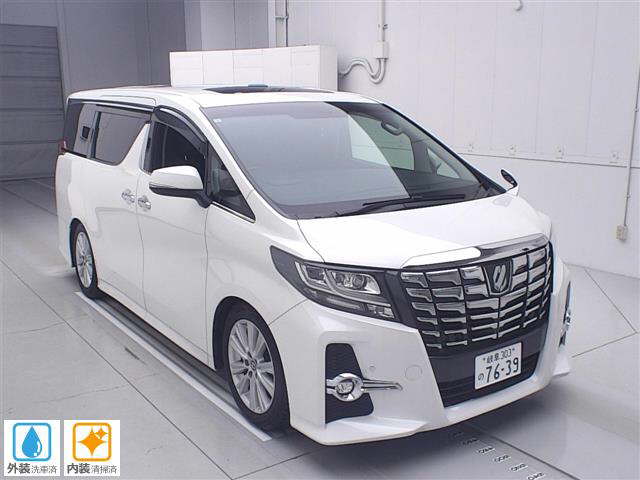
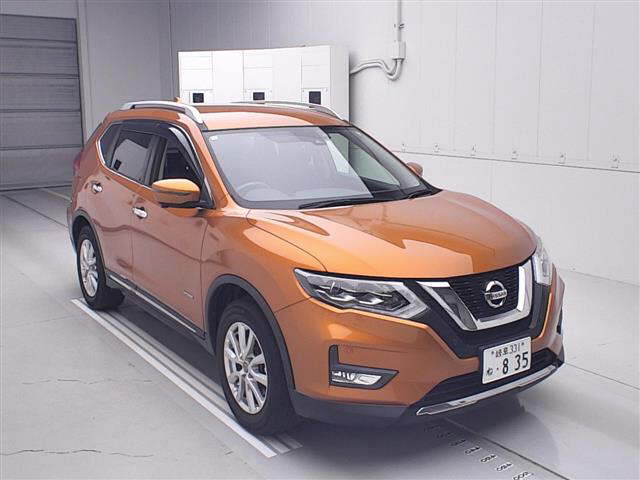
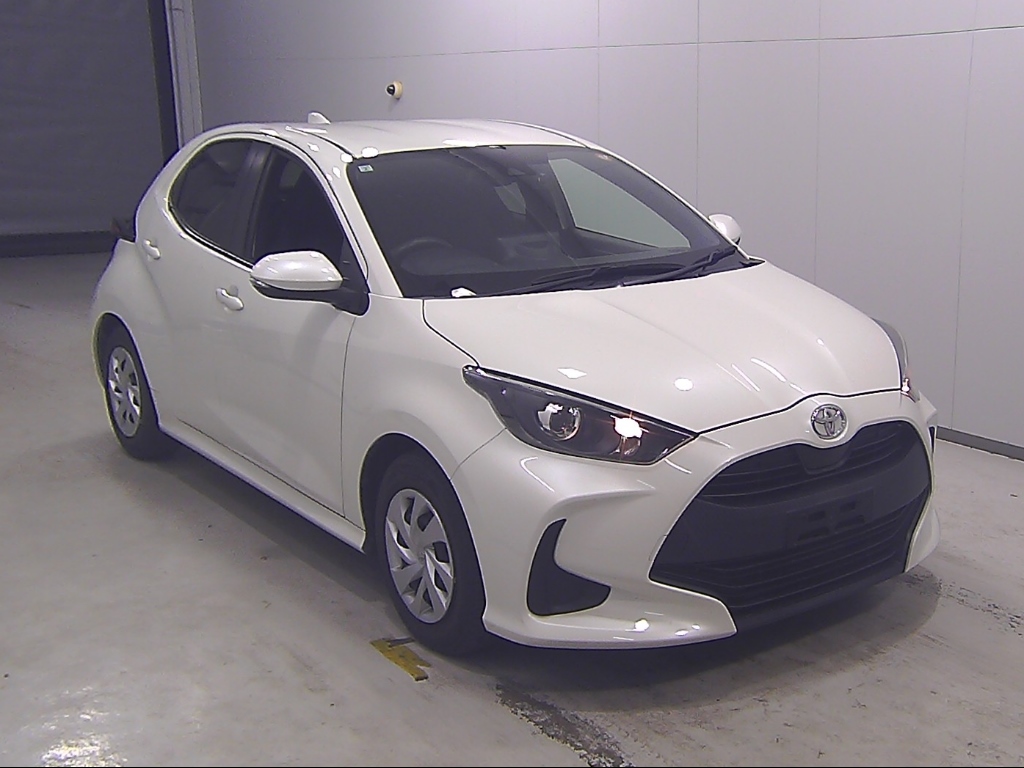
Top Japanese Models for The Zambia Market

ZRA Customs & Taxation: 2026 Update
Zambia uses a “Specific Duty” system where taxes are often calculated based on vehicle type rather than just value.
| Vehicle Type | Customs Duty | Excise Duty | VAT |
| Electric Vehicles (EV) | 0% | 0% | 16% |
| Hybrids | Variable | 15% (Reduced) | 16% |
| Passenger Cars | 25% | 20% – 30% | 16% |
| Commercial Trucks | 15% | 0% | 16% |
Carbon Tax: A flat annual Carbon Emission Surtax is also applied based on engine capacity, ranging from K246 to K484.
Before the Car Leaves Japan
- Vehicle Choice: Select any model year; however, remember that newer cars have better resale value in Lusaka.
- JEVIC Inspection: We arrange the mandatory JEVIC check in Japan before the ship departs.
- Port Arrival: The car arrives at Dar es Salaam (Tanzania) or Durban (South Africa).
- Inland Transit: The vehicle is driven or trucked across the border to the Nakonde or Chirundu border post.
- Customs Clearance: Use your TPIN to pay the ZRA duties, VAT, and Carbon Tax.
- RTSA Registration: Complete the final inspection with the Road Transport and Safety Agency (RTSA) to receive your white and yellow Zambian plates.
Nexuss Pro-Tips for 2026
- Zero-Duty EVs: For 2026, Zambia has removed all customs duties on Electric Vehicles to support green energy—this is currently the cheapest way to import a modern car.
- The Dar es Salaam Route: Most Zambians prefer the Dar es Salaam route over Durban because the “Nakonde” border clearance is generally faster for used vehicles.
- Check for Rust: Since many cars sit at sea ports during transit, ensure your Japanese exporter provides an “Underbody Protection” service to prevent corrosion
- You can continue sourcing older JDM trucks and vans without regulatory risk.