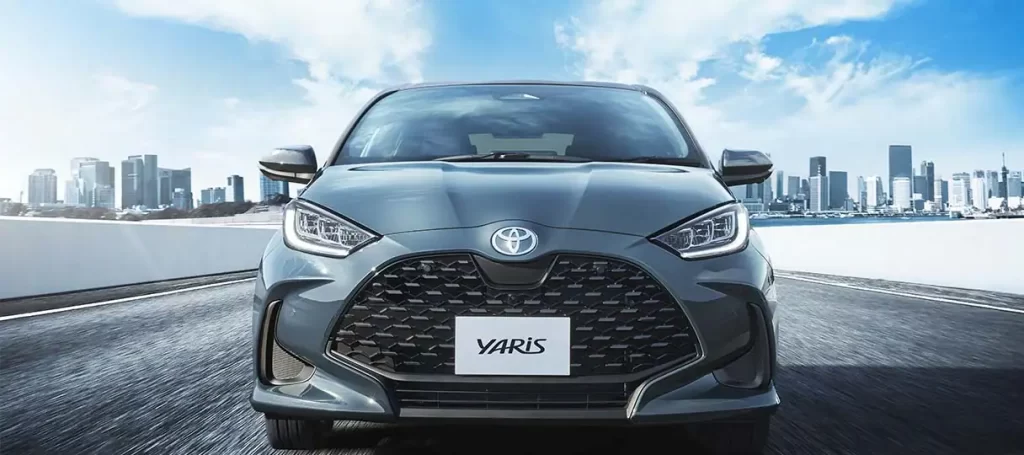


Looking for a remarkable deal on a reliable used car? Japan’s used vehicle market is one of the world’s best-kept secrets. This guide reveals the insider techniques and insights you need to buy a cheaper, well-maintained car directly from Japan, whether you’re an individual importer or a dealer.
Why Japan is the Premier Source for Used Cars
Japanese car owners are known for meticulous maintenance. Combined with the country’s efficient public transportation system, this results in vehicles that are driven less and kept in excellent condition.
The Japanese used car ecosystem is structured and transparent. Dealers constantly rotate inventory, and a significant portion of used vehicles flow through a few major, well-regulated auction houses. This system creates unique opportunities for savvy international buyers to find exceptional value.
Stock Sale vs. Auction: Where the Real Savings Are
Understanding the two main sales channels in Japan is key to unlocking cheaper prices.
1. Dealer & Used Car Shop Stock Sales
These are vehicles advertised directly to consumers on platforms like Car Sensor, GooNet, and Car Seven.
- Pricing: Typically 10-20% higher than auction prices.
- Reason: Prices include costs for physical lot space, maintenance, and advertising.
- Inventory Cycle: Dealers aim to sell stock within 4-5 weeks. Unsold vehicles are then sent to auction.
2. Auction Houses (USS, TAA, JU, Arai)
This is where dealers and exporters source their inventory. It’s also where you can buy directly at wholesale prices.
- Pricing: Significantly cheaper. This is where the best bargains are found.
- Why Prices Are Lower: Auctions are a high-volume, wholesale clearinghouse. Sellers need to move inventory quickly to avoid costs like storage and depreciation.
Why Auction Cars Are Cheaper: The Dealer’s Dilemma
Several factors pressure dealers to sell cars at auction for less:
- Space & Inventory Turnover: Japan’s limited space makes storing unsold cars costly. Fresh inventory attracts more customers.
- Depreciation & Maintenance: A standing car loses value and requires upkeep (battery checks, tire pressure, etc.).
- The Rust Factor: Japan’s humid, coastal climate can accelerate body rust, making older stock less desirable.
- Advertising Costs: Listing fees on major car-selling sites are time-sensitive, adding pressure to sell quickly.
Your 4-Step Strategy to Buy a Cheap Car from Japan
Follow this actionable plan to secure your deal.
Step 1: Be Patient & Plan the Timeline
Do not rush. The export process takes minimum 2-3 weeks after purchase. This includes:
- Export preparation (de-registration, cleaning).
- Customs clearance.
- Booking sea freight (ships sail on monthly/bi-monthly schedules, not daily).
Step 2: Never Buy Blindly from Stock
If considering a stock-listed car:
- Cross-reference auction prices for the same model, year, and grade.
- Factor in 7%-10% monthly depreciation for aging stock.
- Always request a recent auction sheet or independent inspection report.

Step 3: Target the Auctions (The Best Deals)
- Identify Your Model: Research reliable JDM (Japanese Domestic Market) models that suit your needs.
- Use a Reputable Japanese Exporter/Agent: They have access to auction systems, can bid on your behalf, and handle all documentation and logistics.
- Get a Total Landed Cost: Before bidding, ask your agent for the “CIF” price (Car + Insurance + Freight) to your destination port. This allows for accurate price comparison.
Step 4: Mitigate Risk with Inspection & History
This is the most critical step. Auction houses provide a key advantage:
- Auction Inspection Sheet (Grade Sheet): Every car receives a standardized grade (e.g., 4, 4.5, 5, R) for interior/exterior condition and a detailed report on repairs, rust, and scratches.
- Odometer Verification: Auction houses rigorously check for tampering. A reversed odometer is a serious crime in Japan and is almost always identified.
- Accident History : Major accidents are identified by the auction inspectors who are professionals in this trade.
- Ownership History: The report often indicates if the previous owner was a rental or leasing company.
Pro-Timing Tips: When to Buy for Maximum Savings
An experienced agent knows market rhythms:
- Auction Timing: Late-month auctions can see more aggressive pricing as sellers clear monthly inventory. Early month auctions may have fresher, premium stock.
- Seasonal Opportunities: December often sees a slight dip in auction activity (participation drops from ~85% to ~75%), potentially creating buying opportunities.
- High-Volume Models = Better Deals: Popular models with large inventories, like the Toyota Aqua, Toyota Noah, Honda Fit, and 660cc Kei cars, often have more competitive pricing due to higher supply in the resale market.
Top Recommended JDM Cars for Value & Reliability (2020-2023 Models)
Here are three excellent, cost-effective models frequently available in the Japanese used market:
- Toyota Corolla Axio Hybrid (NRE161): The epitome of Toyota reliability with outstanding fuel efficiency. A perfect low-maintenance commuter car. Learn more about importing the Toyota Corolla Axio Hybrid.
- Toyota Prius (ZVW51): The iconic hybrid. Offers advanced technology, superb fuel economy, and proven longevity. Discover why hybrids remain a smart choice over EVs.
- Honda Vezel (RU1): A stylish and practical compact SUV. Renowned for its spacious interior, efficiency, and driving dynamics. See our list of high-profit JDM cars for export.
Conclusion: The Smart Path to Your Japanese Car
Buying a cheaper car from Japan isn’t about finding the lowest sticker price; it’s about understanding the system. By partnering with a trusted exporter, targeting the auction market, and relying on rigorous Japanese vehicle inspections, you can secure a high-quality, well-maintained vehicle at a true wholesale price.
| Feature | Local Stock | My Sourcing Technique |
| Price | $15,000+ | $13,000 (Save ~13.33%) |
| History | Often Unknown | Full History (Verified) |
| Selection | Limited to Lot | Access to 50k+ Weekly Cars |
| Quality | Refurbished for Profit | Hand-Picked for Condition |
Avoid the overpriced stock listings and navigate the efficient auction system instead. With patience and the right strategy, your ideal car—from a frugal hybrid to a versatile SUV—is waiting in Japan. Moreover a dedicated agent Like Nexuss Cars perform a “Live Workaround at Tokyo Auction”.
Ready to start your search? Focus on reputable exporters with transparent pricing and a proven track record. Your journey to a cheaper, reliable Japanese car begins now.
About the Author:
Nexuss Cars
This comparative analysis is provided by NexussCars, a trusted Japanese Car Exporter
and Online Used Car Broker with deep insights into the Asian automotive trade. Specialize in sourcing quality Used Cars from Japan for global buyers, leveraging direct access to Japanese auctions to offer value and variety.
Key Takeaways
- Skip online stock: Japanese auctions offer identical cars at 10-20% lower prices
- Every auction car receives rigorous inspection for accidents, rust & odometer fraud
- Popular models (Toyota Aqua, Honda Fit) often have the best deals due to high supply
- Partner with a trusted exporter for auction access, transparent pricing & smooth logistics
- Plan for 2-3 weeks minimum from purchase to shipment—patience pays in savings
Looking to import a reliable used car without overpaying? Japan’s auction system holds the key to massive savings, but only if you know how to navigate it.
While most buyers browse overpriced dealer stock listings, savvy importers target Japan’s wholesale auctions—where the same cars sell for 10-20% less. This guide reveals why Japanese cars are so well-maintained, how the auction cycle works, and the exact steps to avoid common pitfalls while securing your perfect vehicle at true wholesale prices.
From timing your purchase for maximum discounts to understanding critical inspection reports, learn the insider techniques that could save you thousands on your next car import.