



Direct Japanese Imports to South Africa | Quality & Value
🚧 Direct Portal Coming Soon – Join our VIP list for early access.
✅ Expert Sourcing Available Now – Start LIVE CHAT.
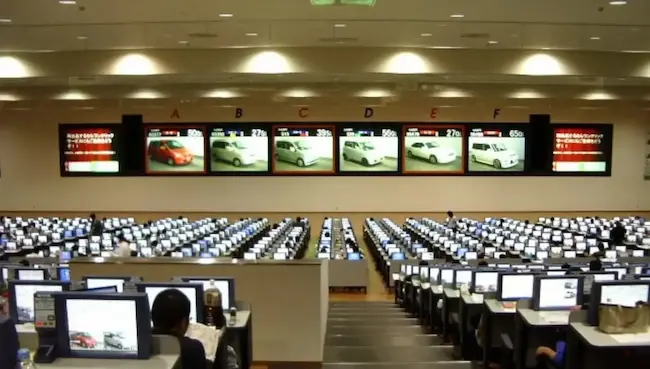
✅ Direct Auction Member ✅ Japanese Staff ✅ Global Shipping Handled

Local Eligibility
Direct imports to SA are strictly for Returning Residents (owned 12+ months) or Immigrants. No general resale imports allowed.
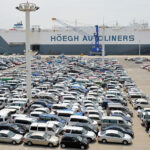
Regional Transit Hub
Using Durban to move cars to Zimbabwe, Zambia, or Botswana? Use our Removal in Bond (RIB) service to pay 0% South African duty.
Regulatory Permits
All imports require an ITAC Import Permit and an NRCS Letter of Authority (LOA). These must be obtained before the car leaves Japan.

Port of Entry: Durban
Africa’s busiest car terminal. Includes 3 days of free storage and mandatory biosecurity/quarantine inspections.
FREIGHT CALCULATOR
Instant shipping estimates for any global port. Get real-time rates for 2026.
CIF CALCULATOR
Calculate the total landed cost including vehicle price, insurance, and freight.
PRICE SIMULATOR
Simulate auction bidding scenarios and market pricing trends for JDM cars.
VERIFIED BANKING
Official Mizuho Bank details for secure international wire transfers.
The Perfect Match: Japanese Cars for Southern Africa
📊 Realistic Transit Time Table: South Africa
Yokohama → Durban (Primary Hub)
| Segment | Estimated Time | Notes |
| Yokohama → Durban (Sea) | 24–36 days | Direct sailings average ~28 days; . |
| Durban Port Clearance | 5–10 days | Includes SAPS clearance and SARS customs release. |
| Durban → Final City (Transport) | 2–5 days | Transit to Joburg, Pretoria, or Cape Town via car carrier. |
| Total Estimated Transit Time | 31–51 days | Fastest realistic: ~35–42 days |
Whatsapp for a secure deal
+81-903-217-5927
Yokohama → Port Elizabeth (Alternative)
| Segment | Estimated Time | Notes |
| Yokohama → P.E. (Sea) | 28–40 days | Often the second stop after Durban. |
| Port Clearance | 5–7 days | Generally less congested than Durban. |
| P.E. → Final City (Transport) | 2–4 days | Local delivery within the Eastern Cape. |
| Total Estimated Transit Time | 35–51 days | Fastest realistic: ~38–45 days |
RORO (Roll-on/Roll-off) is the standard and most cost-effective method for this route
Duty & Tax Framework: Choose Your Destination
South Africa has different tax structures for local residents versus regional transit customers.
South African Residents
Local Import (Home Consumption) Best for: Returning residents and immigrants registering the car in SA.
Customs Duty
36% (Reduced to 0% for qualifying 407.04 Rebate).
VAT
15% (Calculated on the marked-up Landed Value).
Ad Valorem
0.75% – 20% (Luxury tax based on engine and value).
Compliance
Requires ITAC Permit and NRCS LOA.
Restriction:
Strictly no imports for general resale.
Regional Transit (The Hub)
Outbound Transit (Bonded Hub) Best for: Clients in Zimbabwe, Zambia, Botswana, Malawi, and Lesotho.
Customs Duty
EXEMPT (0%)
VAT
EXEMPT (0%)
Mechanism
Removal in Bond (RIB) via the Port of Durban.
Requirements
Vehicles must be moved by a licensed bonded carrier.
Storage
3 days free at Durban Car Terminal; Bonded warehouse options available.

Before the Car Leaves Japan
To avoid your vehicle being impounded at the Port of Durban, you must complete these three steps in this exact order:
- ITAC Permit First: Never ship a car without an issued Import Permit. SARS will not allow “back-dated” permits once the vessel has docked.
- NRCS Letter of Authority (LOA): This is the safety “passport” for your vehicle. Expect a processing time of 4–6 weeks and a fee of approximately R300 to R1,800 depending on the model.
- Physical Inspection: We provide a pre-shipment report in Japan to verify the chassis and engine numbers match your paperwork perfectly.
Nexuss Pro-Tips for 2026
- The 3-Day Clock: The Durban Car Terminal only offers 3 days of free storage. Our clearing agents pre-submit your RIB or Home Consumption documents so you aren’t hit with high daily demurrage fees.
- Asbestos Free: Australia isn’t the only one—South Africa has strict prohibitions on asbestos in brake pads and gaskets. We ensure your Japanese export is certified compliant.
- Regional Transit Bonds: If transiting to Zimbabwe or Zambia, ensure your agent uses a Licensed Bonded Carrier. Moving a “Bonded” car on its own wheels (driving it) is a violation of SARS Rule 64D and can lead to heavy fines.