A
myth that every Toyota is a bulletproof investment. But not every Toyota is a good car. Some Toyota models have big problems. Smart buyers must know which ones to avoid.
Today, we will look at three Toyota models from Japan that you should never buy as a used family car in 2026: the Toyota iQ, the Toyota Porte, and the Toyota Isis.
These cars have serious problems. The iQ is too small and uncomfortable. The Porte has a strange door design that makes it feel cheap and unsafe. The Isis uses too much fuel and is not good for families.
Many people think all Toyotas are perfect. This is not true. These three models can cost you a lot of money in repairs and fuel. They will make your daily life difficult.
Do not be fooled by their low price. A cheap price now can mean big problems later. Let me explain why you must avoid these three cars.
No. 1: 2015-2019 Toyota Porte (NSP141) 1.5L – A Deeply Flawed JDM Relic
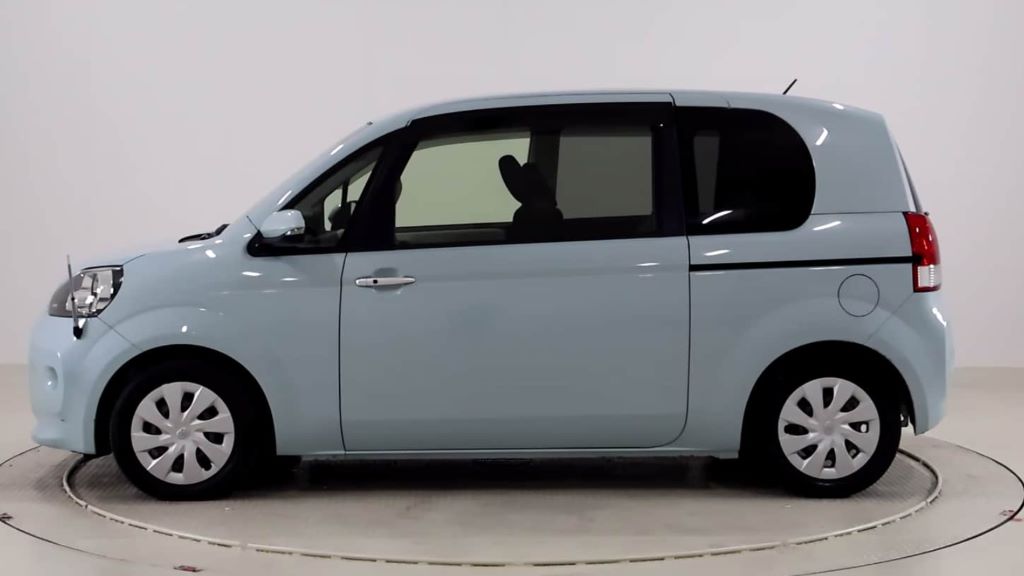
The Toyota Porte, in its final NSP141 iteration (post-2015 facelift), represents one of the most perplexing and critically compromised vehicles available in the Japanese Domestic Market during its final years. While its 2016 update brought modernized lighting and a revised interior, it did nothing to address the core engineering and dynamic failures baked into its 2004-vintage platform. The fact that a 2019 model-year Porte can be valued under USD 6,000 on the second-hand market—while a 2019 Aqua, Vitz, or even an older Prius commands significantly more—is a direct and damning reflection of its severe deficiencies.
1. The Slide-Door Gimmick: An Unbalanced Structural Liability
The Porte’s entire *raison d’être* is its single, large passenger-side sliding door. In practice, this defining feature is its greatest flaw.
Structural and Perceptual Cheapness: To accommodate the massive door aperture, the vehicle’s right-side structure is inherently compromised. This leads to a noticeable lack of torsional rigidity. The result is a proliferation of squeaks and rattles over time, a palpable sense of chassis flex on uneven roads, and a disturbingly hollow, tinny sound when the lightweight door is shut. Compared to the solid, damped feel of conventional doors on even a basic 2019 Toyota Vitz, the Porte feels fragile and insubstantial.
Chronic Weight Imbalance & Passenger Discomfort: The design creates a persistent and awkward lateral imbalance. With only the driver and a front passenger, the car feels lopsided. For rear passengers, the experience is claustrophobic; seated behind a fixed B-pillar on the driver’s side but next to a vast, uninsulated door panel on the other, they are exposed to excessive road noise and lack any sense of secure enclosure. The design prioritizes entry/exit over occupant comfort while in motion, a fundamental failure for a “people mover.”
2. Abysmal Driving Dynamics: A Punishment to Drive**
The Porte’s driving experience is categorically worse than any mainstream Toyota of its era.
An Underpowered, Unrefined Drivetrain: The 1.5L 1NZ-FE engine (109 PS) mated to a 4-speed automatic (or CVT post-2016) is an obsolete combination. It is noisy, strained, and utterly lethargal, especially with more than two occupants. Performance is marginal, and fuel economy is surprisingly poor for its size and power, easily bested by the contemporary 1.0L turbo or hybrid options in other Toyotas.
Dynamics of a Tall, Tippy Box: The tall, narrow, and short-wheelbase body, combined with a softly-sprung suspension designed only for low-speed comfort, makes for terrifying highway manners. It is severely susceptible to crosswinds, requires constant steering correction, and exhibits excessive body roll during any form of cornering. The vague, over-light electric power steering offers zero feedback. This is not a car for any road with curves or speed.
3. The “Time Capsule” Cabin: Antiquated and Cheap
Despite the 2016 interior refresh, the cabin feels a generation behind. Hard, scratchy plastics dominate every surface except for the driver’s touch-points. The seating is flat and unsupportive. The high floor (to accommodate the sliding door mechanism) creates a knees-up seating position for adults. Technology and safety features, even in 2019 models, lagged far behind global standards, often lacking modern stability control systems and advanced airbag configurations expected by the late 2010s.
Conclusion: Why It’s Worth Less Than $5,000
The 2015-2019 Porte’s rock-bottom valuation is the market’s rational verdict. It is not undervalued; it is correctly priced as a deeply flawed, niche vehicle. Buyers are penalizing it for:
Archaic Engineering: A 2004 platform with 1990s drivetrain technology, sold new in the late 2010s.
Critical Dynamic Flaws: Dangerous highway behavior, terrible refinement, and no driving pleasure.
Compromised Practicality: The sliding door solves a minor problem (easy parking-lot access) while creating major ones (noise, imbalance, structural weakness).
Poor Ownership Experience: High noise levels, cheap interior feel, and an unsettled ride degrade daily livability.
Superior Alternatives: For the same money, a used Aqua, Vitz, or Fit/Jazz offers vastly better fuel economy, dynamics, refinement, safety, and long-term reliability without bizarre compromises.
In essence, the late-model Porte was a cynical exercise in selling a 15-year-old design on quirk alone. Its low price today is not a bargain, but the justifiable cost of owning a vehicle that fails at the basic tenets of comfort, safety, and driving competence expected of a modern car. It is a curiosity best left to collectors of automotive oddities, not rational consumers.
No.2: 2008-2015 Toyota iQ (JDM NGJ10) 1.3L – The “Premium” Midget That Fails at its Premise.
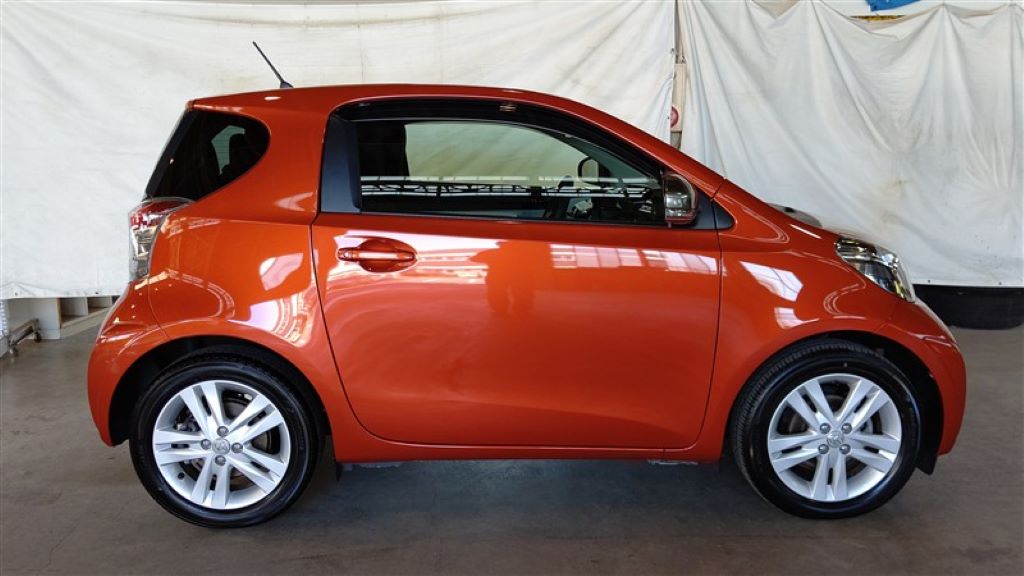
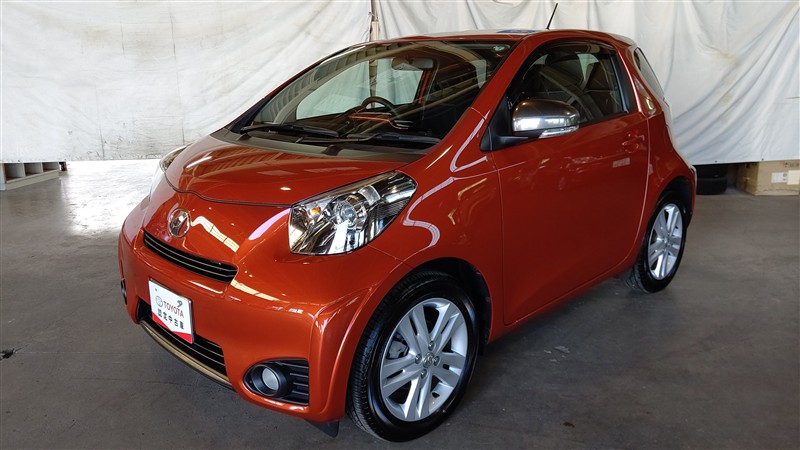
The Toyota iQ (NGJ10), sold in Japan as a clever, “premium” city car, is a masterclass in compromised engineering and unfulfilled promises. Its defining party trick—squeezing four seats into a sub-three-meter length—ultimately becomes its primary source of failure. While its 2015 counterparts like the Aqua or even the basic Vitz have retained solid value and utility, the iQ has plummeted to near-scrap-value status, often listed under USD $2,000. This price is not a bargain but a reflection of its crippling flaws as a functional automobile
1. The “2+2” Design: A Deceptive and Pointless Exercise
The iQ’s core marketing claim was its ability to seat three adults and a child, or “3+1.” In reality, this is a damaging fantasy.
A Cabin of Unusable Cruelty: The rear “seats” are not seats in any practical sense. They are thinly padded, sculpted shelves suitable only for a small bag or a very contorted child on a very short trip. Accessing them requires a gymnastic routine over folded front seats. For 99% of ownership, the iQ is a strict two-seater, but one burdened with the structural compromises, weight penalty, and packaging inefficiencies necessitated by its theoretical four-seat layout.
Cargo Catastrophe: To enable this unusable rear space, the boot is virtually non-existent. With the rear “seats” up, luggage space is measured in liters sufficient for a single grocery bag. Folding them down creates a shallow, awkward load floor that remains pathetically small compared to a conventional hatchback. The design solves a problem no one had (extreme 4-seat micro-car needs) while creating a huge one: a car with neither passenger nor cargo space.
Claustrophobic and Cheap: The cockpit, while cleverly designed for the driver and front passenger, feels narrow and cave-like, with high window lines. Materials, despite “premium” aspirations, quickly revealed themselves as hard, scratch-prone plastics that do not age gracefully, leading to a rattly, tinny feel over time.
2. Atonal Driving Performance: Neither Fun Nor Refined
The iQ’s driving dynamics fail to deliver on either the agility promised by its size or the refinement suggested by its initial marketing.
Underpowered and Unrefined Drivetrain: The 1.3L 1NR-FE engine (94 PS) is chronically overworked. Mated to a CVT (or a sluggish automated manual in some markets), it is loud, strained, and provides minimal acceleration, especially with any load. It is neither sporty nor economical enough to justify its lack of power; a contemporary 1.0L Toyota Vitz offered similar real-world performance with less noise and better fuel economy.
Nervous and Unsettled Dynamics: The ultra-short wheelbase and tall-ish body create a ride that is both harsh over small bumps and terrifyingly unstable at speed. It fidgets and tramlines on motorways, is brutally vulnerable to crosswinds, and requires constant steering correction. The handling is not “go-kart” sharp; it is twitchy and devoid of feedback, inspiring zero confidence. The ride comfort is outright bad, failing to isolate occupants from road imperfections.
3. The Cost of Compromise: Why It’s Valued Under $2,000
The iQ’s near-worthless second-hand value is the direct result of its fundamental failures as a practical object. Buyers in this price bracket seek basic, reliable transportation. The iQ fails this test miserably.
Zero Practical Utility: It cannot carry people or stuff effectively. For the price of a 2015 iQ, one can buy a 2010 Toyota Vitz or Honda Fit, which offer vastly more space, comfort, and usability for real life. The iQ’s unique selling point is a liability, not an asset.
Expensive Running Costs for its Class: Tyres and other wear items are not proportionally cheaper than a larger car. Insurance is not significantly lower due to it’s size. Fuel economy is not class-leading. It offers no ownership cost advantage to offset its uselessness.
Outdated and Unsafe Perception: Even 2015 models feel a generation behind in technology and, critically, safety. While it scored well in crash tests *for its microcar class*, its sheer mass and size disadvantage in any collision with a modern, larger vehicle (like a 2015 Prius or Aqua) are severe. Smart buyers recognize this inherent vulnerability.
The “Novelty” Has Worn Off: The iQ is no longer a stylish curiosity. It is now seen as an aging, impractical oddity. Its poor driving manners, lack of space, and cheaply aging interior have destroyed any residual “premium” appeal. Have you ever seen a younger driver behind the wheels? It failed miserably.
Conclusion: A Concept Car That Should Never Have Been in Production line.
The Toyota iQ is a stark lesson in engineering overreach. In its obsessive pursuit of a packaging gimmick, it sacrificed the core virtues of a city car: maneuverability with stability, decent space efficiency, and low-cost utility. It is neither a comfortable cruiser nor a fun urban runabout. It is loud, cramped, slow, and unstable.
Its sub-$2,000 price tag is a market correction. It represents the value of its raw materials and a working drivetrain, stripped of any worth as a viable means of transport. For the same money, almost any other Japanese car from the era will be superior in every single measurable way. The iQ is not just a bad Toyota; it is a fundamentally flawed automobile whose clever idea was utterly undone by the reality of physics and human needs. It is best left as a footnote, not a purchase.
No.3: 2004-2017 Toyota Isis (ANM10/ZGM10) 1.8L – The Flawed “Family Box”
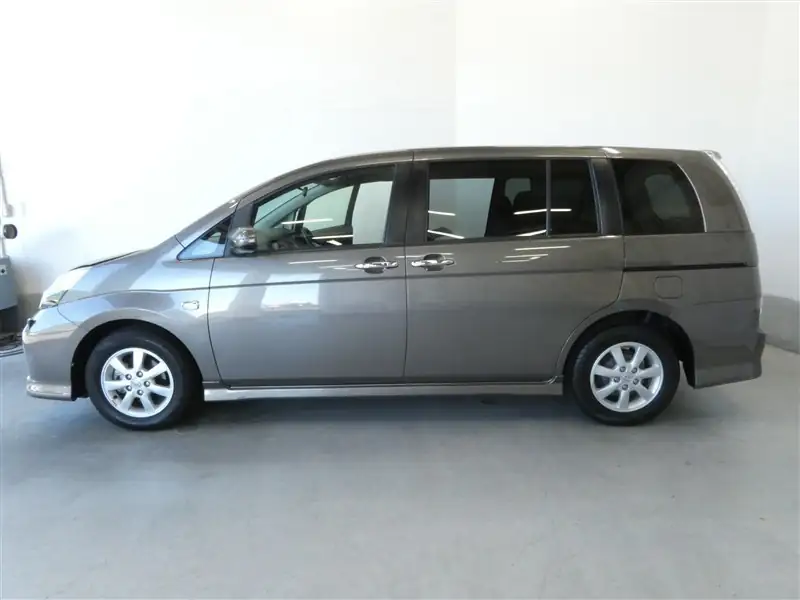
The Toyota Isis, a Japan-only MPV produced from 2004 to 2017, is a vehicle whose very concept was rendered obsolete by its own brand. Marketed as a practical family hauler, its 2017 final model year represents a 13-year-old design being sold as new, an anachronism laden with compromises. Its shockingly low second-hand value—often under USD $4,500 for a late-model example—places it far below contemporaries like the 2017 Noah/Voxy or even the older Prius α, and is a direct indictment of its fundamental flaws in design, dynamics, and efficiency.
1. The 7-Seater Design: An Exercise in Packaging Failure
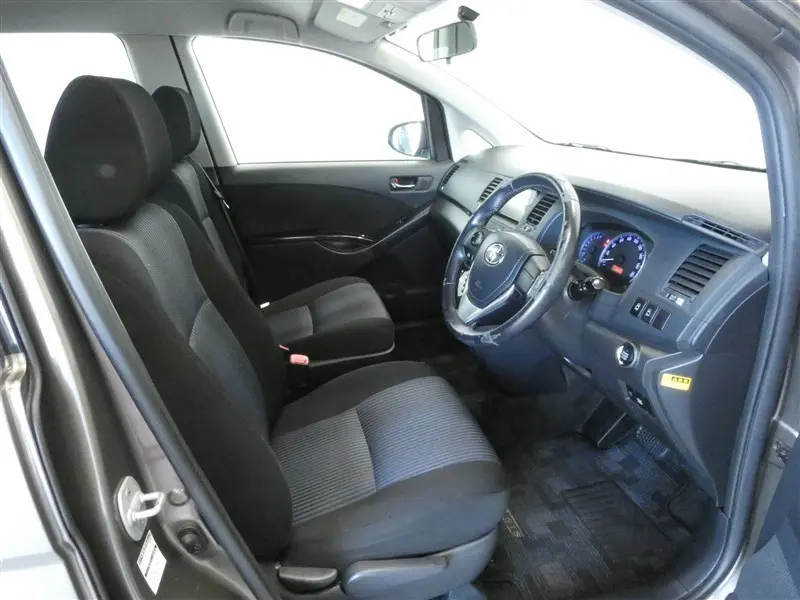
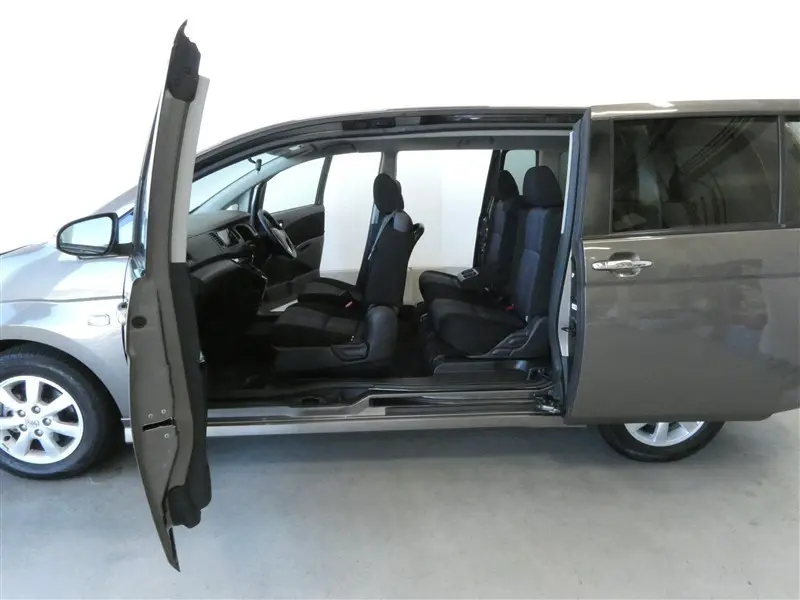
The Isis’s primary sin is failing to execute effectively on its sole purpose: flexible people-moving. Its “2-3-2” or “1-2-2-2” “J-Seating” layout is a masterclass in frustrating compromise.
The “Seven Seater” Lie: While it technically fits seven, the third-row seats are a cruel joke—suitable only for very small children or amputated luggage. Access is terrible, requiring a cumbersome fold-and-tumble of the second row. For adults, it is a claustrophobic, knees-to-chest experience. Compared to the genuinely spacious and accessible third row of a Noah/Voxy, the Isis’s rear is a penalty box.
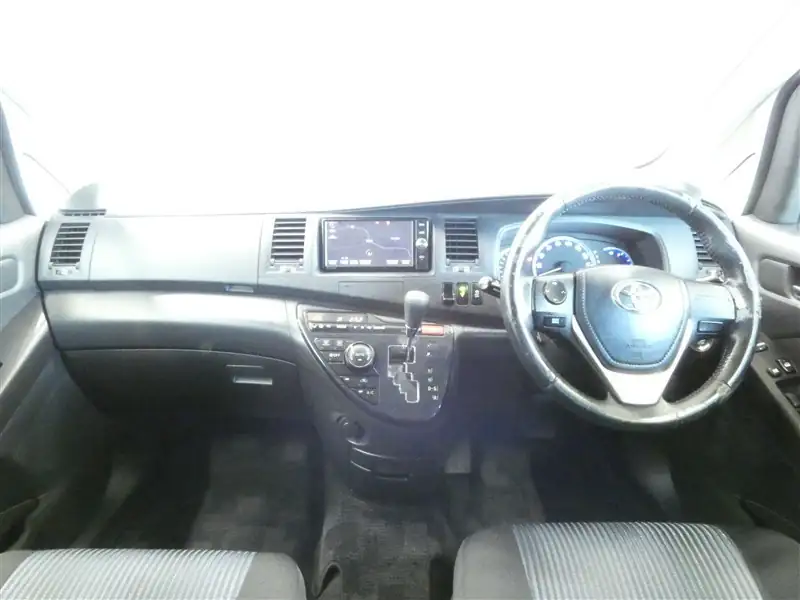
Sacrificed Utility for a Gimmick: The complex, heavy sliding and folding mechanisms for the individual second-row “J-Seats” create a cargo floor that is never flat, rattles incessantly, and adds significant weight and cost. In seeking modularity, it achieved confusion. Loading bulky items is a puzzle, and the interior feels cheaply trimmed, with vast expanses of hard, scratchy plastic that do not stand up to family use.
Dated and Uninspired Aesthetics: Even the 2015 facelift could not disguise its awkward, tall-bubble proportions. It looks exactly like what it is: a utilitarian box from the mid-2000s, devoid of style or presence, projecting an image of resigned practicality rather than smart family mobility.
Choose experience. Choose trust. Choose Nexuss International – Connecting You to Quality Since 1998.
For over 25 years, Nexuss International has been a trusted name in the global automotive export industry. Founded in 1998 in Japan, we have built our reputation on transparency, expertise, and an unwavering commitment to customer satisfaction..
Team Nexuss
2. Abysmal Driving Performance: A Punishment for the Driver
The Isis abdicates any responsibility to the person behind the wheel. It is engineered to be as uninvolving and unpleasant to drive as possible.
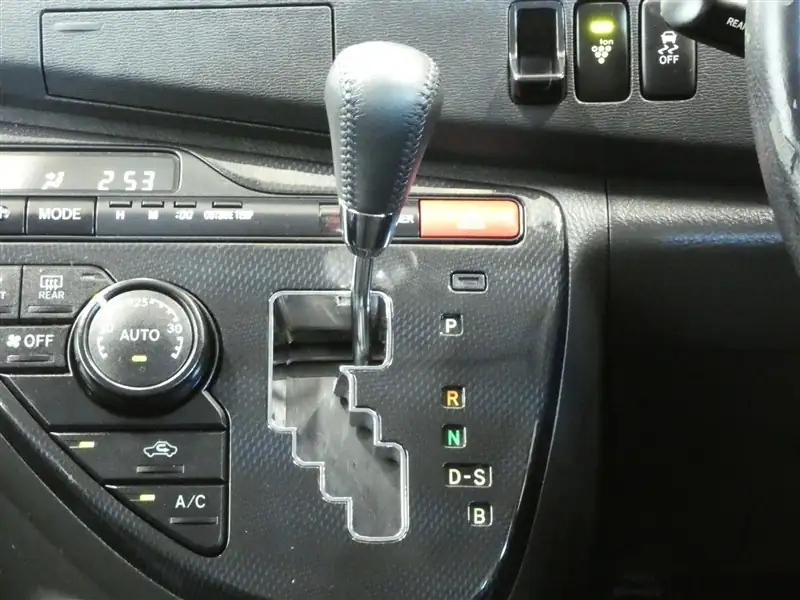
Sluggish and Unrefined Powertrain: The 1.8L 2ZR-FE engine (132 PS) is woefully inadequate for a vehicle of this size and weight, especially when laden. Mated to a dated 4-speed automatic (or later CVT), it is a recipe for lethargy. The engine screams under acceleration, delivering noise rather than momentum, making highway merging or climbing hills a strained, anxious affair. The transmission hunts for gears or drones monotonously.
Dynamics of a Detached Shipping Container: The steering is utterly numb, providing zero feedback. The soft, long-travel suspension, tuned only for low-speed comfort, results in alarming body roll, nose dive under braking, and a generally seasick, wallowing feel. At highway speeds, it feels unstable, buffeted by crosswinds, and requires constant minor corrections. It is a vehicle that feels *managed*, not driven, eroding driver confidence entirely.
3. The Fuel Consumption Betrayal
For a compact MPV with a modest 1.8L engine, the Isis’s real-world fuel economy is a shocking disappointment. Owners routinely report figures in the range of 9-11 km/L (21-26 MPG) under normal use—numbers that would be poor for a much larger, more powerful minivan. This inefficiency stems from its ancient 4-speed transmission (on many models), poor aerodynamic brick-like shape, and the engine’s constant struggle against the vehicle’s mass. In an era where the 2017 Toyota Prius α (a true 7-seater) could achieve nearly double that efficiency, the Isis’s thirst is an unforgivable and expensive flaw.
Conclusion: Why It’s Worth Less Than $4,500 – A Market Correcting a Mistake
The Isis’s rock-bottom valuation is the used-car market functioning perfectly. It accurately prices a vehicle that offers no compelling reason to own it.
1. Outclassed by its Own Siblings: The Toyota Noah/Voxy, built on a superior, more modern platform, offers more space, more power (with a 2.0L or hybrid), better efficiency, and better dynamics for a similar price. The Isis is the inferior, cut-price Toyota MPV.
2. The “Family Car” That Families Avoid: Smart families recognize its cramped third row, poor fuel economy, and dreadful driving experience as direct detractors from quality of life. It solves the “need seven seats” problem in the worst possible way.
3. An Obsolete Product: A 2017 Isis was, mechanically, a 2004 car. Buyers instinctively devalue such stagnation, especially when it comes with none of the charm or reliability justification of a classic.
4. High Running Costs, Low Reward: Its poor fuel economy is a persistent financial drain. Its complex, aging interior mechanisms are a reliability concern. Its dynamics make every journey a chore.
In essence, the late-model Toyota Isis is the automotive equivalent of a bad compromise. It attempts to be a compact 7-seater but fails at both compact efficiency and true 7-seat comfort. It is slow, thirsty, unpleasant to drive, and cheaply made. Its sub-$4,000 price tag is not an opportunity; it is the fair market value for a vehicle that embodies frustration and obsolescence. It serves as a stark reminder that in the automotive world, a clever concept is worthless without competent, holistic execution.

Your Bridge to the Perfect Japanese Car – With Nexuss International
Looking for a reliable, high-quality used car from Japan? The process can be confusing and risky. How do you choose the right model? How can you be sure of the car’s condition? How do you get a fair price?

This is where Nexuss International Company becomes your trusted partner.
We are experts in the Japanese used car market. We help customers worldwide find and import the perfect vehicle. We make the entire process easy, transparent, and safe.
Here is how Nexuss International helps you:
Your Trusted Advisor: Think of us as your personal car expert in Japan. We answer all your questions. We give honest advice. Our goal is your complete satisfaction.
Expert Selection: We do not just sell cars; we find the right car for you. We know which models are reliable and which have problems (like the iQ, Porte, or Isis). We check the vehicle’s history, auction grade, and condition report. We help you avoid bad cars and find good value.
Right Price, No Surprises: We help you buy at the true market price. We explain all costs clearly—car price, auction fee, shipping, insurance, and taxes. There are no hidden fees. You know exactly what you will pay.
Full-Service Support: From the first search to delivery at your port, we manage everything. We handle all paperwork, customs clearance, and logistics. You get regular updates and photos. You can relax while we do the work.