



Direct Japanese Imports to Zambia | Quality & Value
🚧 Direct Portal Coming Soon – Join our VIP list for early access.
✅ Expert Sourcing Available Now – Start LIVE CHAT.

✅ Direct Auction Member ✅ Japanese Staff ✅ Global Shipping Handled



FREIGHT CALCULATOR
Instant shipping estimates for any global port. Get real-time rates for 2026.
CIF CALCULATOR
Calculate the total landed cost including vehicle price, insurance, and freight.
PRICE SIMULATOR
Simulate auction bidding scenarios and market pricing trends for JDM cars.
VERIFIED BANKING
Official Mizuho Bank details for secure international wire transfers.
The Heart of Southern Africa: Why Zambia Chooses Japan
Reliability Without Borders: The Zambian Advantage.
In Zambia, Japanese imports are the backbone of both personal and commercial transport. Because there is no age restriction, Zambian buyers can access a vast inventory of vehicles—from the latest luxury SUVs to affordable, older-model hatchbacks like the Toyota Vitz or Tiida. The durability of Japanese engineering is particularly valued for Zambia’s mixed terrain, with 4WD Hiluxes and Land Cruisers being the gold standard for travel outside Lusaka and the Copperbelt.
Total Estimated Transit Time (Yokohama → Lusaka via Nakonde)
| Segment | Estimated Time |
|---|---|
| Yokohama → Dar es Salaam (sea) | 24–32 days |
| Dar es Salaam → Nakonde (truck) | 2–4 days |
| Nakonde → Lusaka (truck) | 1–2 days |
| Total | ≈ 27–38 days |
Real‑world practical range:
32–45 days


Top Japanese Models for The Zambia Market
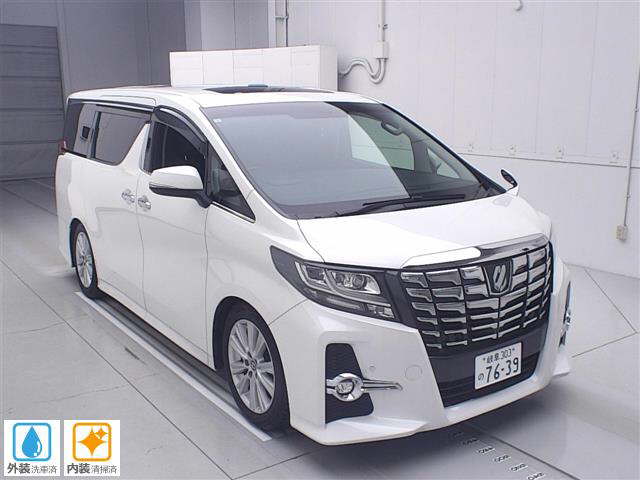
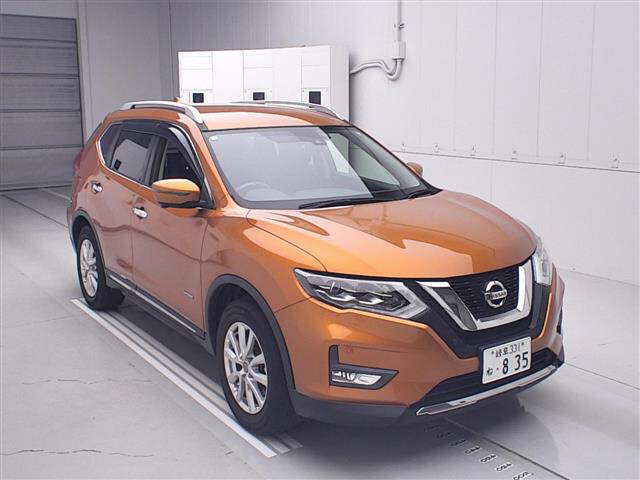
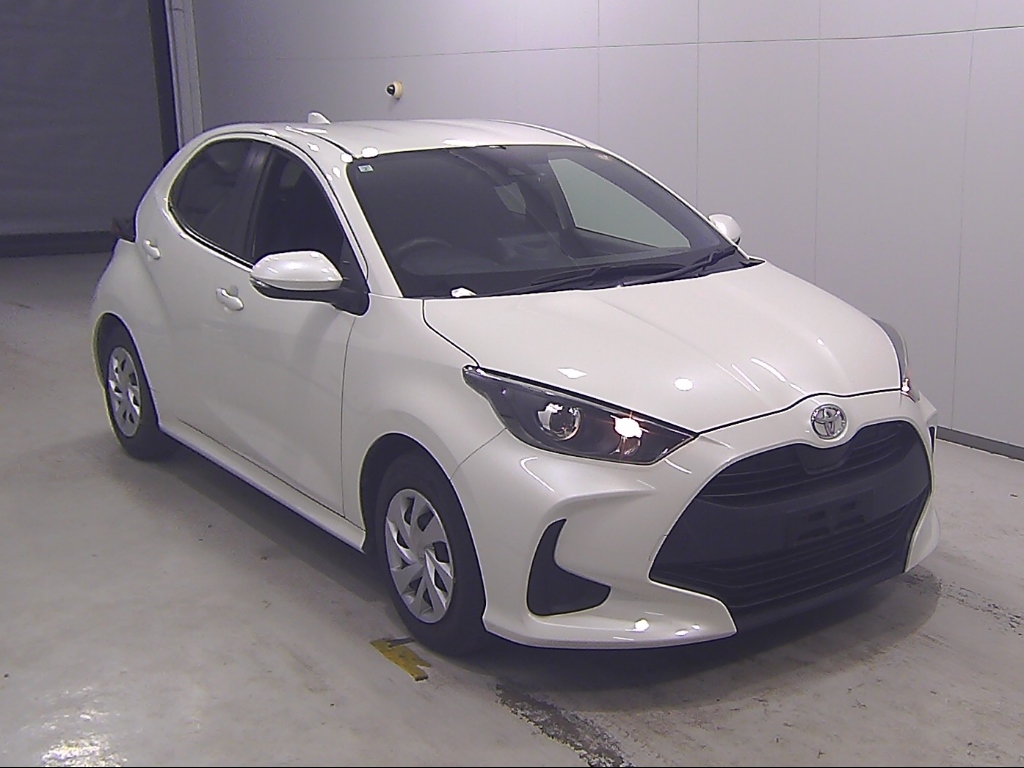
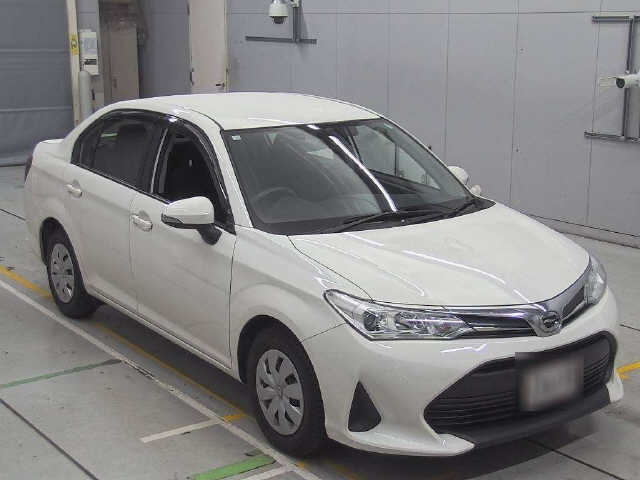
ZRA Customs & Taxation: 2026 Update
Zambia uses a “Specific Duty” system where taxes are often calculated based on vehicle type rather than just value.
| Vehicle Type | Customs Duty | Excise Duty | VAT |
| Electric Vehicles (EV) | 0% | 0% | 16% |
| Hybrids | Variable | 15% (Reduced) | 16% |
| Passenger Cars | 25% | 20% – 30% | 16% |
| Commercial Trucks | 15% | 0% | 16% |
Carbon Tax: A flat annual Carbon Emission Surtax is also applied based on engine capacity, ranging from K246 to K484.
Before the Car Leaves Japan
- Vehicle Choice: Select any model year; however, remember that newer cars have better resale value in Lusaka.
- JEVIC Inspection: We arrange the mandatory JEVIC check in Japan before the ship departs.
- Port Arrival: The car arrives at Dar es Salaam (Tanzania) or Durban (South Africa).
- Inland Transit: The vehicle is driven or trucked across the border to the Nakonde or Chirundu border post.
- Customs Clearance: Use your TPIN to pay the ZRA duties, VAT, and Carbon Tax.
- RTSA Registration: Complete the final inspection with the Road Transport and Safety Agency (RTSA) to receive your white and yellow Zambian plates.
Nexuss Pro-Tips for 2026
- Zero-Duty EVs: For 2026, Zambia has removed all customs duties on Electric Vehicles to support green energy—this is currently the cheapest way to import a modern car.
- The Dar es Salaam Route: Most Zambians prefer the Dar es Salaam route over Durban because the “Nakonde” border clearance is generally faster for used vehicles.
- Check for Rust: Since many cars sit at sea ports during transit, ensure your Japanese exporter provides an “Underbody Protection” service to prevent corrosion
- You can continue sourcing older JDM trucks and vans without regulatory risk.