



Direct Japanese Imports to Malay Malaysia| Quality & Value
🚧 Direct Portal Coming Soon – Join our VIP list for early access.
✅ Expert Sourcing Available Now – Start LIVE CHAT.
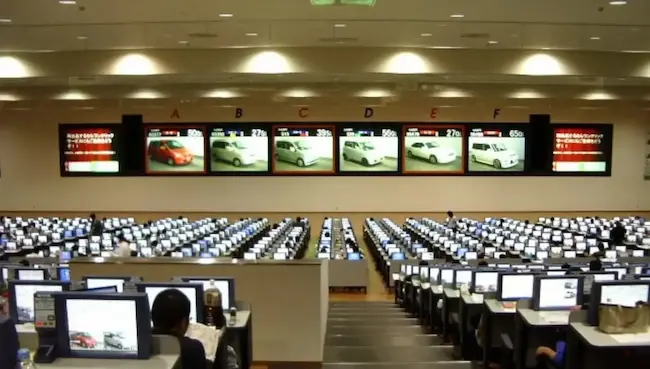
✅ Direct Auction Member ✅ Japanese Staff ✅ Global Shipping Handled

The “AP” Requirement
You must have an Approved Permit (Open AP or Franchise AP) to import. We handle the paperwork with your AP holder.

The 1-5 Year Rule
Malaysia strictly allows used car imports aged between 1 and 5 years old. For 2026, this means cars manufactured between 2021 and 2025.
Quality Grading
We only source Grade 4.5, 5, or S vehicles to ensure your Recon car meets premium Malaysian standards.
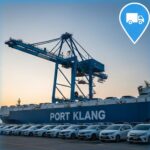
Port of Entry
Primary clearing at Port Klang or Penang. We provide door-to-port delivery across Peninsular Malaysia and East Malaysia.
FREIGHT CALCULATOR
Instant shipping estimates for any global port. Get real-time rates for 2026.
CIF CALCULATOR
Calculate the total landed cost including vehicle price, insurance, and freight.
PRICE SIMULATOR
Simulate auction bidding scenarios and market pricing trends for JDM cars.
VERIFIED BANKING
Official Mizuho Bank details for secure international wire transfers.
TRANSIT TIME – JAPAN TO MALAYSIA (PORT KLANG / PENANG)
1 — Ro/Ro Shipping: Japan → Malaysia (Port Klang / Penang)
| Route / Segment | Transit Time | Important Notes |
|---|---|---|
| Yokohama / Nagoya / Kobe → Port Klang | 7–12 days | Regular Ro/Ro sailings; some routes are direct. |
| Yokohama / Nagoya / Kobe → Penang | 9–14 days | Slightly longer due to northern routing. |
| Port Discharge → Local Release | 1–3 days | Malaysia is efficient with Ro/Ro vehicle handling. |
| Total Transit Time (Japan → Malaysia) | 8–15 days | One of the fastest Ro/Ro destinations in Asia. |
Whatsapp for a secure deal
+81-903-217-5927
TRANSIT TIME – JAPAN TO MALAYSIA (PORT KLANG / PENANG)
2 — Container Shipping: Japan → Malaysia (Port Klang / Penang)
| Route / Segment | Transit Time | Important Notes |
|---|---|---|
| Yokohama / Tokyo / Nagoya → Port Klang | 6–10 days | Direct weekly container services from major Japanese ports. |
| Yokohama / Tokyo / Nagoya → Penang | 8–12 days | Penang served via direct and transshipment routes. |
| Port Discharge → Local Release | 1–3 days | Container clearance may take slightly longer than Ro/Ro. |
| Total Transit Time (Japan → Malaysia) | 7–14 days | Very stable schedules; ideal for high‑value units |
Alert
Duty & Tax Breakdown
The “5-Year Rule”
Vehicles older than 5 years are prohibeted by Malaysia Customs
Excise Duty
60% to 105% (Based on engine capacity/cc).
Import Duty
30% (Standard for most passenger vehicles).
SST (Sales Tax)
10% .
Registration Fee
Based on JPJ (Jabatan Pengangkutan Jalan) current rates.
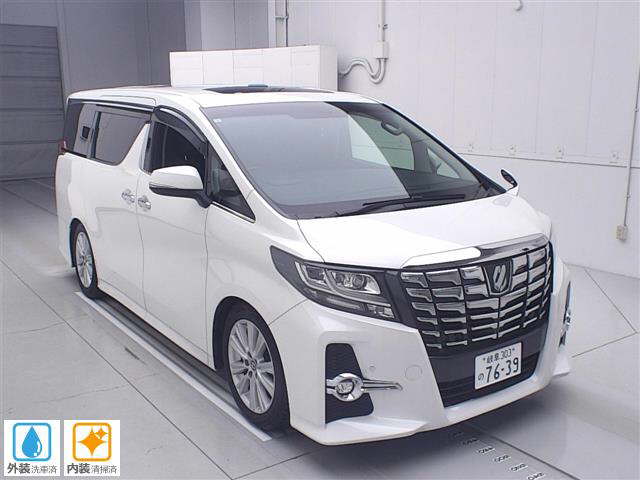
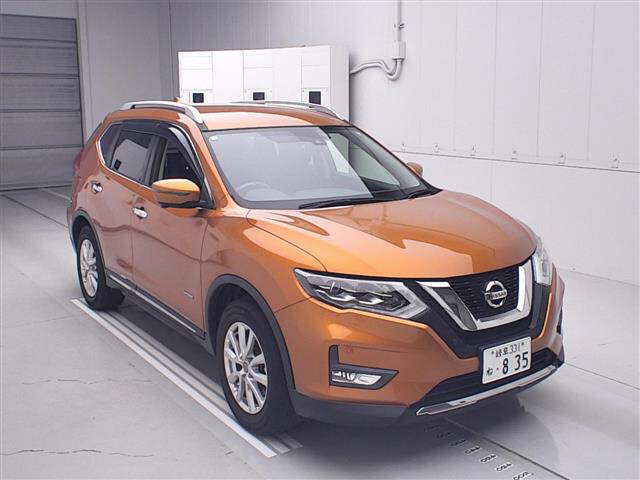
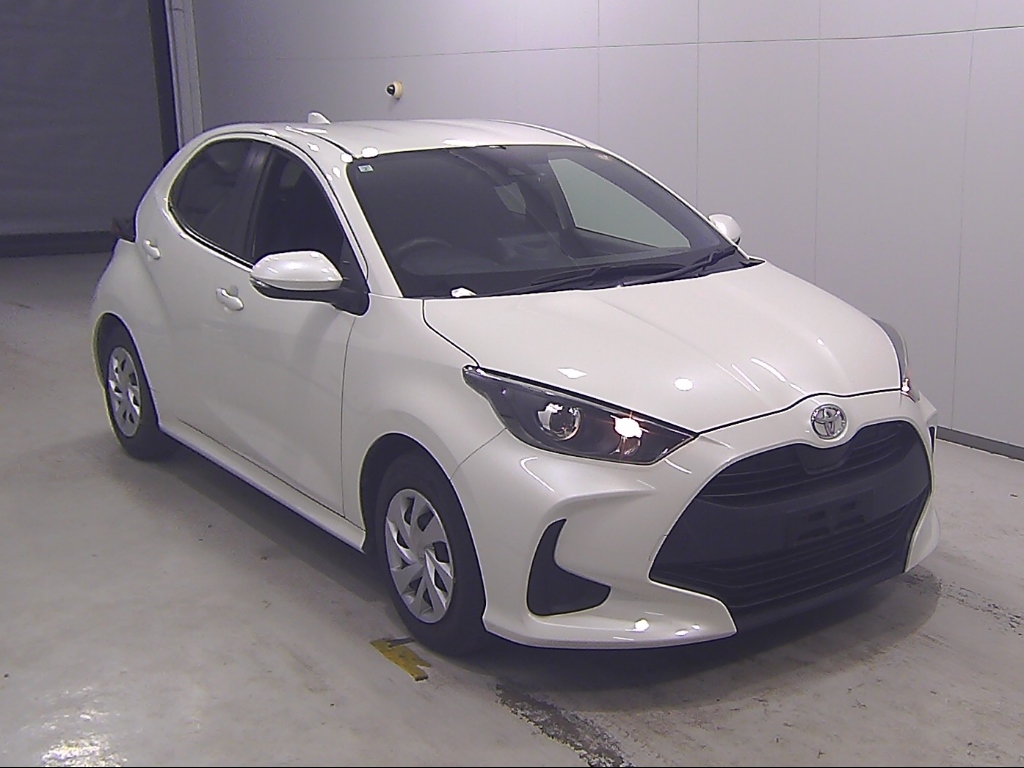

| Model | Popular Chassis (1-5 Years) | Why Malaysia Loves It |
| Toyota Alphard | AGH40 / AGH30 | The ultimate executive status symbol. |
| Toyota Noah/Voxy | ZWR90W | High-tech family MPV for urban KL. |
| Honda StepWagon | RP6 / RP8 | Modern styling with the “Waku Waku” gate. |
| Toyota Prius | MXWH60 | New 2.0L Hybrid for fuel-conscious professionals. |
Calculate Malaysia Import Duty
Nexuss Japan | Malaysia Recon Portal 2026
CIF, Excise Duty & SST Estimator (Port Klang / Penang)
Estimated Landed Cost (MYR)
Malaysian Customs Duties (CBU):
*Note: Calculation based on standard MFN rates. Excludes AP Permit fees and JPJ Registration.
PUSPAKOM Special Inspection (B2)
- The Process: Every imported vehicle must undergo a Special Inspection at PUSPAKOM before it can be registered with the Road Transport Department (JPJ).
- What is Checked: Examiners verify the vehicle’s identity by checking the chassis and engine numbers against your import documentation (AP and Customs K1 form). They also test mechanical safety, including brakes, suspension, and emissions.
- Nexuss Support: We ensure all Japanese export certificates and invoices are perfectly aligned with your AP (Approved Permit) to ensure a 100% pass rate at the port-entry inspection.
JPJ Registration & Road Tax
- Final Documentation: Once PUSPAKOM issues the inspection report, the vehicle can be registered at any JPJ (Road Transport Department) branch.
- Required Documents: You will need the Customs Form K1, the original AP, the PUSPAKOM report, and your insurance cover note.
- Plate Numbers: Buyers can either accept a running JPJ number or tender for a Special Plate Number.
- Road Tax: For private cars over 1,500cc, the registration fee is typically RM 300, plus the annual road tax based on the engine capacity.