Re-Assurance
For car enthusiasts, purchasing a used vehicle from a Japanese auction can be a tempting prospect. However, relying solely on official auction house reports can lead to costly and frustrating surprises. A thorough, independent physical inspection is the only way to get true peace of mind.
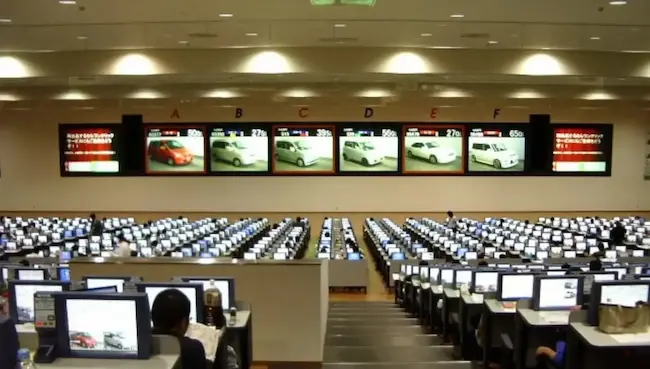
While Japanese auction houses are battling for clients—with large public entities like the Japan Automobile Dealers Association (JADA) backing auction giants like TAA (Toyota) and NAA (Nissan)—it’s crucial to remember that certified inspectors are still human. Their reports, written in Japanese, often contain vague remarks that a professional buyer will always look beyond.
Dangerous Areas
Under the hood and below n the chassis needs important check.
- Assess Structural Corrosion
The most dangerous forms of rust are corrosion on the chassis and inside the engine bay. A small “S” on a report is not enough to confirm safety. These issues can have devastating consequences, which is why an independent, naked-eye analysis is essential. Many corroded cars end up abandoned in workshops or dealer lots, and you don’t want to purchase a vehicle with a similar fate.
- Understand the True Meaning of Dents
Every auction house has specific criteria for marking dents (“B”) or scratches (“A”). However, these marks don’t always tell the whole story. For instance, a vehicle’s body can be affected by hail, but the inspector may simply mark it as “many dents.” It is your responsibility to distinguish between a few standard dents and a car that has suffered widespread hail damage, as this will heavily influence its long-term value.
Missing links
Here are the key areas you and your inspector must scrutinize before bidding.
- Go Beyond the Translated Report
While modern tools like Google Lens can help translate auction sheets, the process doesn’t stop there. The remarks on these sheets are merely indicators, not a comprehensive guide. A professional buyer knows to use these remarks as a starting point for a much deeper investigation.
- Confirm the Details of Aftermarket Parts
A common phrase found on inspection sheets is “外 品 あり,” or “has aftermarkets.” While this can indicate minor accessories, it’s a broad term that requires specific confirmation. You need to know exactly what was installed and whether these items are useful sales points, or low-quality additions. Since aftermarket car kits can be quite expensive, being specific about the details is critical.
- Uncover Hidden Rust
The inspection sheet might mention rust with an “S” for sabi, but the true extent of the damage is often obscured. In some cases, inspectors may deliberately downplay the rust’s severity to increase a vehicle’s chances of selling. Always look beyond the report and inspect hidden areas like the rear hatch and door panels. A hands-on check is the only way to accurately determine the amount of rust present.
“The featured video is 12 years old SUV with Tokyo Auction Grade ‘4’ “
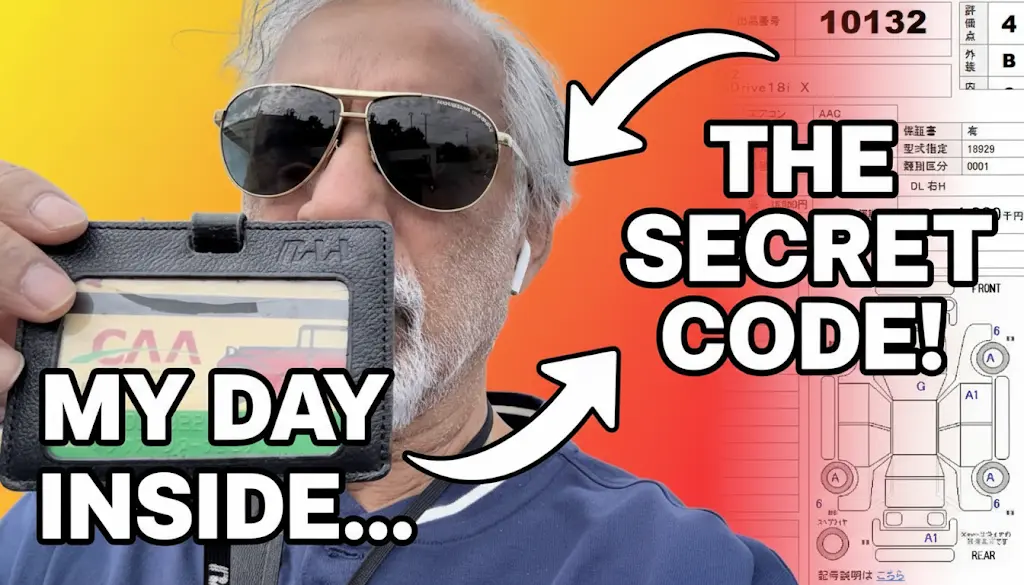
Inspecting an auction certified vehicle is an important part of the buying process, especially when purchasing online. Taking the time to properly assess the vehicle’s condition can help avoid unexpected issues and ensure value for your investment. Utilize resources like inspection reports, detailed photos, and potentially third-party inspection services for a comprehensive understanding before the final bid. You can read the full analysis on the blog.
With Nexuss Cars as your trusted partner for 30+ years, you’re not just buying an auction car—you’re buying confidence. Let us be your eyes and ears in Japan, ensuring a seamless and reliable journey to your next vehicle.