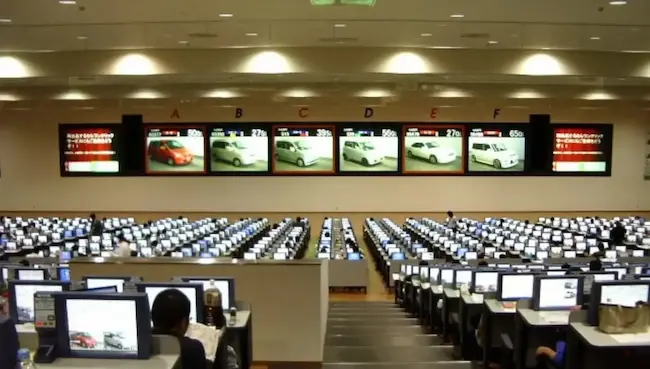
So, you’ve heard the whispers. The tales of incredible deals on JDM (Japanese Domestic Market) legends, pristine family cars, and rugged 4x4s, all found in the vast, digital marketplaces of Japanese car auctions. It’s true—this is where you can find everything from a mint-condition Toyota Supra to a dependable Nissan Note at a fraction of the price you’d pay locally.
But diving in without knowledge is a surefire way to lose money. The auction sheet hieroglyphics, the fast-paced bidding, and the complex logistics can be daunting.
Don’t worry. This beginner’s guide will walk you through exactly what you need to know before you place that first, thrilling bid.
1. How Japanese Car Auctions Actually Work (Spoiler: You Can’t Bid Directly)
First things first, as an individual outside of Japan, you cannot bid directly. Japanese auto auctions are exclusive clubs for licensed dealers. This is where a crucial partner comes in: the export agent or broker.
- Your Role: You find a car you like, set a maximum bid, and authorize the agent.
- The Agent’s Role: They are your eyes, ears, and bidding paddle. They translate the auction sheet, inspect the car (often in person), place the bid on your behalf, handle all the Japanese paperwork, and arrange shipping to your country.
Choosing a reputable agent is the single most important decision you’ll make. Look for companies with strong reviews, clear communication, and transparency.
2. Deciphering the Auction Sheet: Your Best Friend
The auction sheet is the cornerstone of the Japanese auction process. It is a detailed report prepared by professional, third-party inspectors hired by the auction house, offering a comprehensive overview of the vehicle’s condition, history, and specifications.
Understanding the Grades
The Overall Grade is the first filter. Grades typically range from S/6 (best) down to 1 (worst), with special grades for accident history.
| Grade | Condition Summary (General Standard) |
| S / 6 | New or almost new condition, very low mileage. |
| 5 / 4.5 | Excellent, well-maintained used car with minor imperfections. |
| 4 / 3.5 | Good to average condition for its age; may have scratches/dents, may need minor bodywork. |
| 3 / 2 | Below average to poor condition; visible damage, rust, or mechanical issues. |
| 1 | Major issue history, such as flood or fire damage. |
| R / RA | Repaired Vehicle. R is for accident repair history; RA is for minor accident repair history. |
| *** (or 0) | Salvage grade, major accident, or non-running; often not graded. |
Crucial Note: Grading is subjective and can vary between auction houses, which is why the inspector’s written comments are vital.
Key Exterior Symbols
Small letters and numbers on the diagram pinpoint specific flaws.
| Symbol | Meaning |
| A1, A2, A3 | Scratches (with the number indicating severity/size). |
| U1, U2, U3 | Dents (with the number indicating severity/size). |
| W1, W2, W3 | Repair mark/wave (indicating panel repainting/repair). |
| XX | Panel has been replaced. |
A Walkthrough of USS Tokyo
Reading about it is one thing, but feeling the pace and atmosphere is another. The video below is a 2-minute walkthrough from the floor of USS Tokyo. Watch how the auctioneers move, how the sheets are displayed on the windshields, and the rapid-fire bidding we described. This is the reality of buying a car in Japan. 🔥 JOIN OUR PRIVATE FACEBOOK GROUP FOR THE EXCLUSIVE 14-MINUTE FULL VIDEO HERE! 🔥 https://www.facebook.com/groups/exportjapancars
“As you can see, the process is fast and intense. This is why understanding the auction sheet before you bid is non-negotiable. With the knowledge from this guide and seeing the real environment, you’re now equipped to approach your first auction with much greater confidence.”


Auction Inspection Guide
3. The Bidding Strategy: Keep a Cool Head
Once you find the car and your agent has provided an inspection translation, the bidding begins. This is not the time to get emotional.
- Maximum Bid: Before the auction, decide the absolute maximum you are willing to pay for that specific car, in that specific condition. Stick to it.
- Trust Your Agent: They do this every day. Give them your max bid and let them execute the strategy. Sometimes, they can “snipe” a good deal at the last second.
- Be Prepared to Walk Away: There are thousands of cars. If the price goes beyond your max, let it go. Another opportunity will come along.
4. Final Checklist Before You Bid
- Have I chosen a reputable export agent?
- Have I verified the total landed cost estimate?
- Do I fully understand the auction sheet, including the grade and all comments?
- Have I set a firm, non-negotiable maximum bid?
- Have I checked the import regulations for my country? (e.g., age restrictions, compliance standards)
Your Gateway to Unique Cars Awaits
Japanese car auctions are a thrilling and rewarding way to buy a car. They offer a level of choice and transparency that is hard to find elsewhere. While the process seems complex, it becomes straightforward once you have a trusted partner and the right knowledge.
Do your homework, manage your budget, keep your emotions in check, and you could be driving your dream JDM car off the port in no time.
Ready to start your search? Contact a reputable export agent today and explore the virtual lanes of Japan’s biggest auction houses!