Unsure whether to bid at a live auction or buy yard stock? Read our complete Live Auction vs. Stock Comparison Guide to make the right choice for your import.
Live Auction vs. Yard Stock: Which Sourcing Method Is Right for You?
When you decide to import a Japanese vehicle, you are immediately faced with a critical fork in the road: Do you bid at a live auction, or do you buy from existing yard stock?
At Nexuss Cars, we facilitate both. However, the right choice depends entirely on your timeline, your risk tolerance, and your budget. Understanding the difference between these two sourcing methods is the first step toward a successful import.

The Case for Live Auctions: Access and Price
The Japanese auction system (USS, TAA, JU) is the most transparent used-car market in the world. Every vehicle undergoes a rigorous inspection, and the resulting auction sheet provides a detailed condition report.
Why choose live auctions?
- Wholesale Pricing: You are competing directly with local Japanese dealers. If you win the bid, you pay the hammer price—no middleman markups.
- Volume & Variety: With over 140 auction houses and 30,000+ fresh listings daily, you can find specific trims, colors, and mileage that simply aren’t available in local yards.
- Genuine Condition Reports: Auction sheets are standardized. A “Grade 4” car means the same thing in Tokyo as it does in Dar es Salaam.
The Trade-off: Auctions require a commitment deposit (typically 10% or a minimum of $500) to bid on your behalf. You must act fast—auctions run on strict schedules, and if you win, the payment clock starts ticking immediately.
The Case for Yard Stock: Speed and Certainty
Yard stock (also known as “wholesale stock” or “dealer inventory”) are vehicles that have already been purchased by exporters and are sitting in a lot, ready for immediate purchase.
Why choose yard stock?
- Instant Gratification: You can see the car, verify its condition, and pay for it on the spot. There is no waiting for an auction to end.
- No Bidding Risk: What you see is what you get. There is no risk of being outbid at the last second.
- Simpler Payment Terms: Because the vehicle is already owned by the exporter, the payment process is often streamlined, sometimes requiring only a single full payment before shipping.
The Trade-off: Yard stock is typically priced slightly higher than auction hammer prices to cover the exporter’s holding costs. You are paying a premium for convenience and immediate availability.
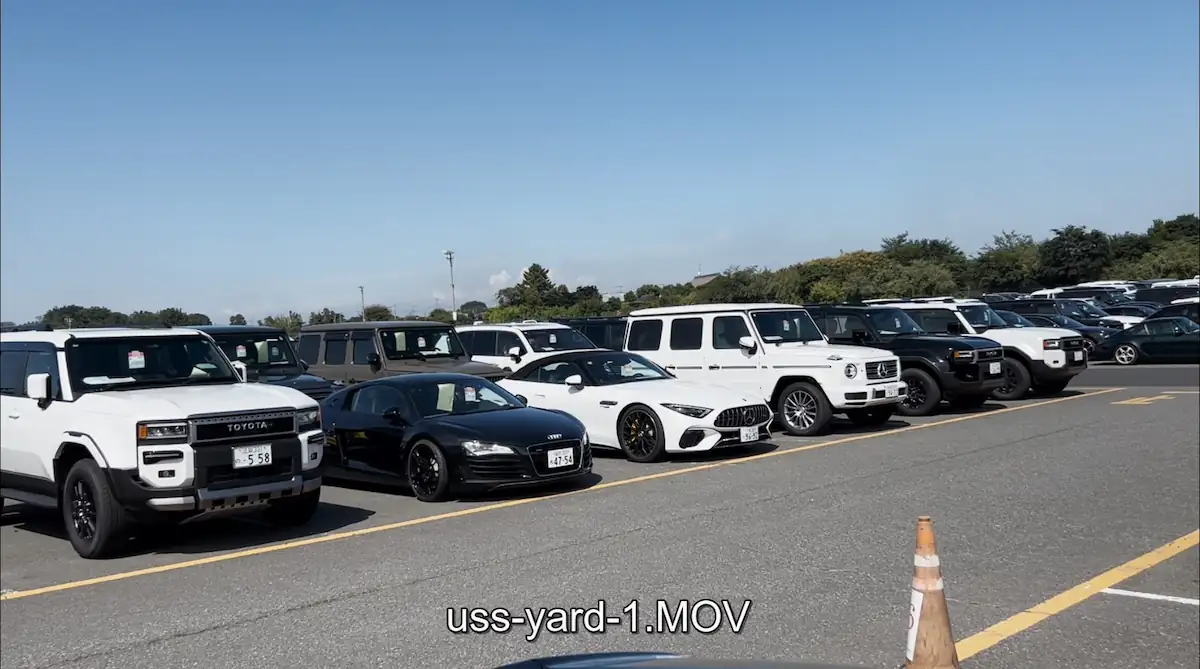
Comparison: Live Auctions vs. Exporter / Dealer Stocks
| Aspect | Japanese Live Auctions | Exporter / Dealer Stock |
|---|---|---|
| Pricing | Real-time wholesale market price | Fixed retail price with built-in profit margins (Often introduced via middlemen increasing costs) |
| Inspection | Independent 3rd-party inspector grade sheet – raw sheets on the internet without any AI alterations. | Exporter/seller’s own self-assessment – possibility of ignoring some report degrading the value. |
| Choice | 100,000+ vehicles weekly across Japan – out of which more than 50% are fresh from the users. | Limited to current physical lot inventory – maybe an initial deal flipped ending in stock. |
| Risk Level | Low (transparent inspection & verified mileage) with no hook. | Moderate to High (hidden defects or altered history) and urgency in selling. |
How This Affects Your Payment Plan
This is where your payment structure becomes crucial. As shown in the table on the right, we offer two primary paths:
- Plan A (2 Installments): Best for yard/dealer stock or specific quotes. You pay a 30% deposit to secure the vehicle, and the remaining 70% before the Bill of Lading is released.
- Plan B (3 Installments): Specifically designed for live auction bidding. You pay a 10% commitment deposit to bid. If you win, you pay 30% for procurement, and the final 60% before shipment.

The Verdict: Which Should You Choose?
Choose Live Auctions if: You have time to wait for the perfect car, want the absolute lowest price, and are comfortable with the bidding process.
Choose Yard Stock if: You need a car now, want to avoid bidding wars, and prefer a simpler, more predictable transaction.
Still unsure? Our team can provide a free consultation. We will look at your target vehicle and budget, then advise you on whether to wait for an auction or snap up a yard stock unit today.
[Contact Us for Absolute Low price →]
Frequently Asked Questions
Q: Can I switch from an auction bid to yard stock if I don’t win?
A: Absolutely. If you are outbid, we can immediately pivot to searching our dealer network for a similar vehicle in yard stock. Your deposit remains secure.
Q: Is the auction sheet really reliable?
A: Yes. Japanese auction sheets are standardized and produced by independent inspectors. They are the gold standard for used car transparency worldwide.
Q: What happens if I win an auction but the car has a hidden defect?
A: While rare, if the defect is not noted on the auction sheet, you have grounds for a claim. However, we always physically inspect before shipping to minimize any risk.
Final Thought
Whether you choose the thrill of the auction or the certainty of the yard, the key is working with a team that knows both markets intimately. At Nexuss Cars, we have been navigating these channels since 1998.
Ready to find your car? Tell us what you are looking for, and we will do the hard work for you:
- What brand or body style are you dreaming of?
- What grade do you want? (Grade 4 or higher is our usual recommendation)
- How many kilometers are you okay with?
📩 Email us: [email protected]
🌐 Visit: NEXUSSCARS.COM – tell us your specs, and we’ll find, inspect, and ship your ideal units.
Disclaimer
The information provided in this guide is based on direct operational experience in Japanese used vehicle exports and is intended for general informational purposes only. Import regulations, customs compliance, duties, and vehicle age restrictions vary significantly by destination country and are subject to change. Nexuss Cars does not guarantee specific auction pricing outcomes, as market values fluctuate daily. Buyers are strongly encouraged to verify local import compliance and regulations with their respective national customs authorities or licensed clearing agents before placing a bidding deposit.