For decades, a dedicated subculture of American automotive enthusiasts has looked on with envy at the Japanese Domestic Market (JDM). From the iconic roar of the Nissan Skyline GT-R to the agile prowess of the Honda Civic Type R, these right-hand drive (RHD) machines represent a unique blend of performance, engineering, and pure, unadulterated nostalgia.
If you’re dreaming of parking a piece of JDM history in your garage in 2026, the path is well-trodden but filled with critical regulatory potholes. This comprehensive guide will navigate you through the challenges, highlight the best models to target, and analyze the market’s future in a shifting political landscape.
a) Highlighting the Problems: Safety Compliance is Still King
Even for a 25-year-old car, you cannot just roll it off the boat and onto the highway. Several critical steps ensure your car is safe and legal for American roads.
The 25-Year Rule: Your Golden Ticket
First, the good news. The cornerstone of JDM importing is the 25-Year Rule. Administered by the Environmental Protection Agency (EPA) and the Department of Transportation (DOT), this rule states that any vehicle that is **at least 25 years old** is exempt from Federal Motor Vehicle Safety Standards (FMVSS) and EPA emissions regulations that were not in effect at the time of its manufacture.
What this means for 2026: In the year 2026, you will legally be able to import any vehicle manufactured in or before 2001 without having to worry about costly and often impossible federal compliance modifications.
However, “exempt” doesn’t mean “no rules.” This is where the problems with safety compliance come into sharp focus.

Narita Airport ARRIVAL
1. DOT Compliance (The Big One):
The 25-Year Exemption: This is your primary shield. A car from 2001 doesn’t need airbags or crumple zones that meet 2026 standards. However, it must remain in its original, stock configuration as much as possible.
The “Substantially Similar” Trap: If you’re importing a vehicle less than 25 years old (which is illegal for most), you’d have to prove it’s “substantially similar” to a US-model version. This is nearly impossible for most exclusive JDM cars and is not a viable path for the average importer.
State-Level Safety Inspections: Once the car clears federal customs, your state’s Department of Motor Vehicles (DMV) will have the final say. Many states require a VIN inspection and a safety check. They will look for functioning lights, brakes, horns, seatbelts, and the absence of major rust or structural damage. A RHD car can sometimes raise eyebrows, so be prepared.
2. EPA Compliance (Don’t Mess with the Environment):
* The 25-year rule also covers emissions. Your 2001-era car must have its original, unmodified emissions control system (catalytic converter, evaporative canister, etc.).
* Tampering with these systems to “increase performance” before import is a federal offense and will get your car held at the port or, worse, seized and crushed.
3. Customs and Border Protection (CBP) Paperwork:
* You must file an HS-7 form with CBP, declaring whether the vehicle complies with DOT/EPA rules (and citing the 25-year exemption).
* You’ll also need the original title (Japanese deregistration certificate), bill of lading, and a commercial invoice. Missing or incorrect paperwork is the most common reason for delays and storage fees at the port.
The Bottom Line: The single biggest problem is assuming the 25-year rule is a free pass. It is a waiver from *modern* standards, not a waiver from ensuring the vehicle is roadworthy and unmodified from its original, legal state.
b) The Importer’s Cheat Sheet: Easy-to-Import Models for 2026
With the 25-year rule, “easy to import” is defined by three factors: **parts availability, service knowledge, and registration success.** Targeting cars that were also sold in the US (LHD) or have a massive enthusiast base is your smartest move.
**The 2026 Class (Vehicles from 2001):**
This is a fantastic year, as it opens the door to the final versions of many 90s icons and the dawn of modern JDM performance.
1. Nissan Skyline R34 GT-R (1999-2002):
- Why it’s Easy: While the R34 is the holy grail, its legendary status means a well-established network of specialized importers, dedicated parts suppliers (like RHD Japan or Nengun), and expert mechanics in the US. The community support is unparalleled.
* Note: Only the early 2001 models (V-Spec II, M-Spec, etc.) will be legal as the year progresses. This will be the first full year for the most coveted R34s, so expect high demand and prices.
2. Honda Integra Type R (DC5):
* Why it’s Easy: The spiritual successor to the legendary DC2, the 2001 DC5 Type R is a razor-sharp front-wheel-drive weapon. Honda’s engineering is robust, and many parts are shared with the US-market RSX, making mechanical components relatively easy to source.
3. Subaru Impreza WRX STI (GD chassis):
* Why it’s Easy: The “bug-eye” Impreza WRX STI from 2001 is a rally legend. The US had the WRX, so a huge aftermarket and knowledgeable Subaru mechanics are everywhere. Parts for the engine and drivetrain are plentiful.
4. Mitsubishi Lancer Evolution (Evo VII):
* Why it’s Easy: The Evo VII, another rally-bred hero, becomes legal. Like the Subaru, its reputation ensures strong community support for parts and maintenance.
5. Toyota Soarer/Lexus SC (UZZ32 & JZZ30):
* Why it’s Easy: These are luxury grand tourers. The Lexus SC 300/400 was sold in the US, so mechanical parts (especially for the venerable 1UZ-FE V8) are incredibly easy to find. They offer immense style and comfort for a relatively reasonable price.
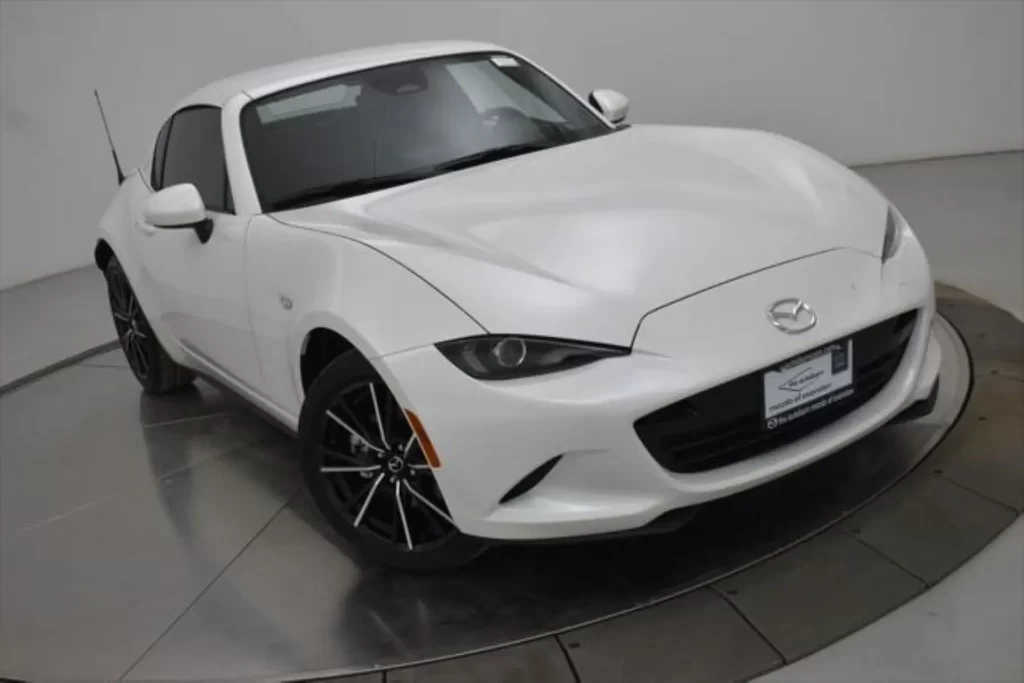
6. Mazda Roadster (Miata NB):
* Why it’s Easy: While seemingly redundant next to the abundant US-spec Miatas, the JDM versions often came with special editions and unique trim packages. Parts are the easiest on this list to find, and any Miata specialist can work on it.
Pro Tip: Before buying, research your specific state’s DMV requirements for RHD vehicles. Some states are more lenient than others.
c) Current Trends & The Future: JDM in the Shadow of Tariffs
The JDM import scene is dynamic, influenced by economics, pop culture, and politics.
Current Trends (2024-2025):
* The “90s Boom”: The market is currently experiencing a massive surge in prices for 90s icons that have recently hit the 25-year mark. Nissan Skylines (R32, R33), Toyota Supras, and Mazda RX-7s have seen their values skyrocket, driven by nostalgia and their status as appreciating assets.
* The “Van Life” & Kei Car Craze: Miniature Kei trucks and vans like the Suzuki Carry and Honda Acty are incredibly popular for their utility and uniqueness on farms, vineyards, and in hipster neighborhoods. (Note: Most are not legal for highway use).
* The “Next Wave” Speculation: As we approach 2026, prices for pristine, low-mileage 2001 models (especially the R34 GT-R) are already climbing in Japanese auctions as US buyers place their orders years in advance.
The Future After 2026 & The Trump Tariff Question
This is the billion-dollar question. The Trump administration had floated the idea of imposing **universal baseline tariffs of potentially 10% (or more) on all imports**, including cars.
What this would mean for JDM imports in 2026 and beyond:
1. Immediate Price Increase: A 10% tariff would be applied to the cost of the car, the shipping, and the insurance. On a car that already costs $50,000+ (like an R34 GT-R), that’s an immediate $5,000+ added to the price tag.
2. Market Cooling (Possibly): Such a tariff could price some enthusiasts out of the market, potentially cooling the insane inflation we’ve seen. However, the core demand for these exclusive, limited-production icons is so inelastic that it may only slow, not stop, the price growth.
3. A Shift in Model Preference: Buyers might become more price-conscious, opting for more affordable JDM gems like the Toyota Altezza, Honda S2000 (becoming fully legal in 2024-2025), or Nissan Silvia variants, rather than going straight for the six-figure super-heroes.
The Bottom Line on the Future: The JDM import scene is built on passion, and passion often defies economics. While tariffs would undoubtedly increase the cost of entry, they are unlikely to kill the market. Instead, they would reshape it, making due diligence, smart model selection, and using a reputable importer more critical than ever.
Final Checklist for Your 2026 JDM Dream
1. Confirm Manufacture Date: Double and triple-check that the vehicle’s manufacture date is **on or before December 31, 2001**.
2. Hire a Reputable Importer: Do not try to navigate Japanese auctions, shipping, and US customs alone. A good importer is worth their weight in gold.
3. Get a Pre-Purchase Inspection: Have a third party in Japan inspect the car for rust, accident damage, and mechanical issues before you buy.
4. Budget for the Extras: Remember to factor in shipping, insurance, import duties (currently 2.5% for cars), port fees, and state registration/taxes.
5. Secure Insurance Before It Arrives: Contact specialty insurers like Hagerty or Grundy *before* your car lands in the US.
The journey to owning a used Japanese RHD car is a rewarding adventure. By understanding the rules, choosing the right model, and planning for the future, you can ensure that in 2026, you’ll be turning heads—from the *right-hand side*.
Disclaimer: This blog post is for informational purposes only. Import regulations are complex and subject to change. Always consult with a professional import broker and your local DMV for the most current and specific guidance.