T
he global demand for Japanese used vehicles has never been higher. In 2025, Japan solidified its position as the world’s most trusted source for high-quality, affordable used cars, thanks to advanced hybrid technology and legendary reliability. With the rise of digital trade and the normalization of cross-border e-commerce (a trend supercharged since 2020), buying directly from a Japanese auction is no longer just for dealers—it’s the smartest way for individuals to shop for a car.
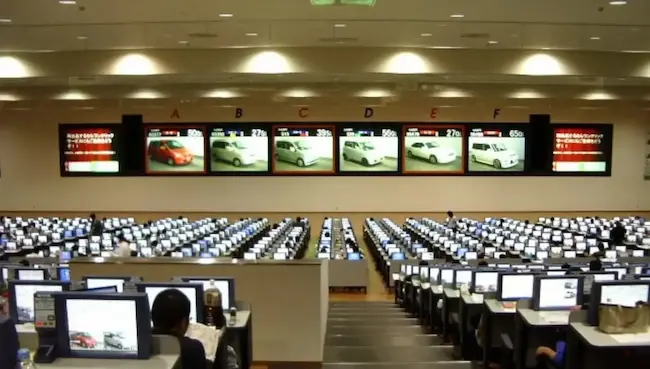
But why are auctions outpacing traditional dealerships and classifieds? Our research indicates that Japanese auctions remain the most transparent and efficient method for online car shopping in 2026. Unlike a local dealer’s limited lot, Japanese auctions feature tens of thousands of vehicles being sold for the very first time each week. They offer a neutral, secure platform that protects the privacy of both buyers and sellers. The cornerstone of this trust is the JAAI (Japan Auto Auction Inspection Institute) grading system—a rigorous, independent inspection of every vehicle entry that is trusted globally. With this system, there is no haggling and no deception, just transparent wholesale pricing and total peace of mind.
Here is your 5-step roadmap to successfully importing a vehicle from Japan in 2026.
No. 1: Choose a “One-Window” Operation, Not Just a Broker
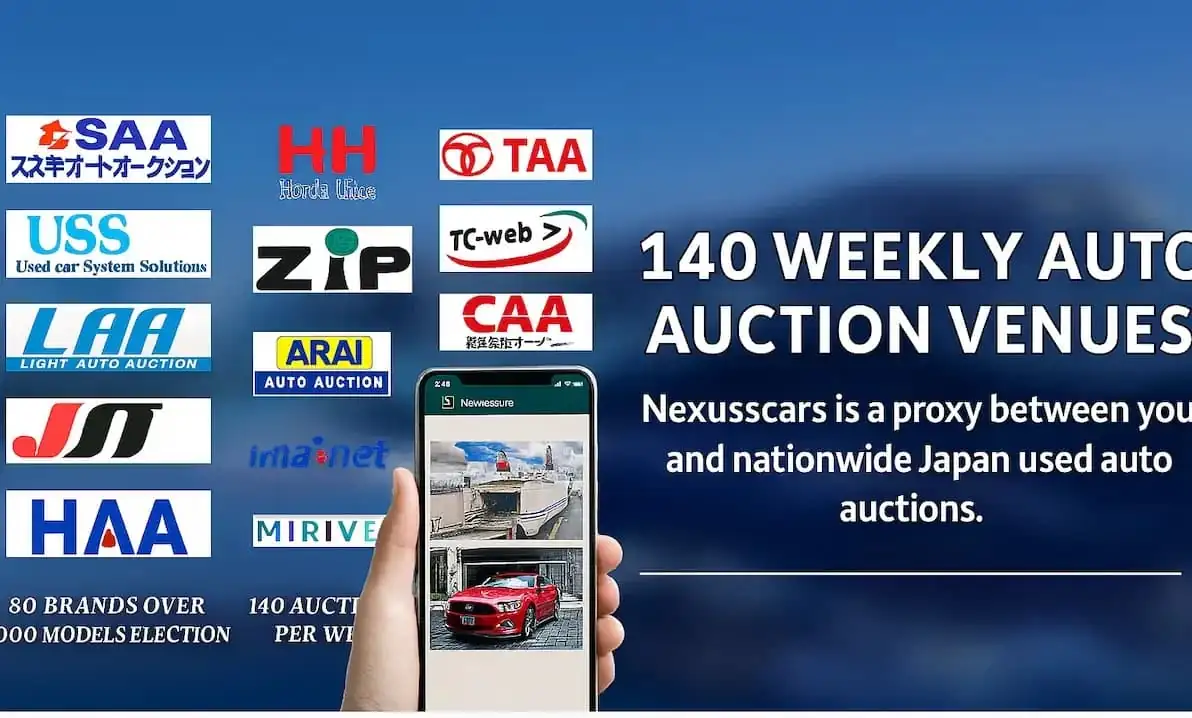
The most critical decision you will make is selecting your export agent. Avoid simple brokers who only place bids. You need a full-service export partner with deep knowledge of the latest 2026 customs regulations, Ro-Ro (Roll-on/Roll-off) shipping logistics, and export documentation in your target country.
A reliable exporter acts as your one-stop shop. After a successful purchase, they handle the crucial pre-export checklist:
Shipping & Documentation: They prepare all necessary 2026-compliant export certificates and secure urgent booking on the next available vehicle carrier, navigating the busy post-pandemic shipping routes.
Private Check & Logistics: They conduct a final private inspection to ensure the car is ready for its long journey, confirming it meets all pre-export requirements.
No. 2: Understand the Auction Bidding Process & Deposit Rules
Your appointed agent will bid on your behalf in real-time. Before placing a bid, a reputable exporter will discuss the vehicle’s auction sheet (inspection report) with you, highlighting any grade marks or potential issues. This collaborative approach ensures you are making an informed decision.
To participate, you will be required to place a small, refundable deposit. It is vital to understand the commitment: if you win the auction and then refuse the vehicle, you will incur a penalty (typically around $800 – $1,000 in 2026) to cover the auction fees. This underscores the importance of doing your homework before you bid.
No. 3: Analyze Price Statistics & Budget for 2026 Realities
Before diving in, a trustworthy agent will provide you with current price statistics for similar vehicles. This is essential for setting a realistic budget. The market in 2026 has shifted slightly; while Japanese cars remain a bargain, demand for specific hybrids and kei cars has increased.
This stage is also the perfect time to discuss the full “landed” cost. Ask for a breakdown of all hidden expenses:
New for 2026: Potential fees for battery health certifications or new environmental regulations.
- Auction fees & agent commission
- Freight and marine insurance (rates have stabilized but vary by route)
- Destination port charges
- 2026 Update: Updated import duties, taxes (like VAT/GST), and compliance costs for your specific country.
No. 4: Set Your Budget with a 2026 Reality Check
Unlike shopping on eBay or Yahoo Auctions, Japanese auctions are fast-paced, real-time events. Results appear instantly, so you need a clear strategy. Your budget isn’t just for the winning bid; it must account for the car’s specific condition. Some cars may need minor panel beating or paintwork, but in 2026, be especially cautious of vehicles needing transmission work or hybrid battery repairs, as these costs have risen.
To avoid post-purchase surprises, factor in a 10% to 20% contingency margin for unforeseen repairs or reconditioning. Remember, these auctions are wholesale markets for dealers. The vehicles are generally in excellent mechanical condition thanks to Japan’s strict Shaken inspection system, but they are not “showroom detailed.” This is why having a knowledgeable agent to translate the auction sheet jargon is non-negotiable.
No. 5: Shipping, Arrival, and The Final Drive
Once the auction is won and the balance is paid, your exporter will prepare the vehicle for its journey. Standard practice includes 4 to 6 weeks of free storage while awaiting the vessel. This accounts for the shipping lines’ busy schedules.
The Road: Once cleared, pay the local registration fees, get your number plate and mandatory third-party insurance, and enjoy the rewarding experience of driving your high-quality, affordable Japanese import home.
Transit: Modern shipping is efficient. Depending on your destination, your vehicle will typically arrive within 20 to 60 days.
Arrival: Before the ship docks, have a licensed local customs clearing agent ready. They will handle the import declaration, pay the estimated duties, and manage port release.
P.S. Want to see the auction action for yourself? Visit our YouTube channel for live auction videos and walkthroughs from 2026! Click below to watch the excitement.